Best overall: a shorter fifth wheel with verified off-grid equipment. Best for family trips: a bunkhouse fifth wheel. Best for a retrofit project: a used fifth wheel with documented condition. This 2026 guide compares the best fifth wheels for boondocking by setup type; Recreation USA is a family-owned dealership for Myrtle Beach-area buyers comparing new and used fifth wheels.
- The best fifth wheels for boondocking match your truck, water needs, and off-grid power use—not just your preferred floorplan.
- Choose a shorter fifth wheel for access, a bunkhouse for family sleeping space, or a toy hauler for equipment.
- A used fifth wheel is a retrofit candidate only after its structure, running gear, and electrical system pass inspection.
- Ask Recreation USA to review towing, floorplans, and service needs before choosing an off-grid camping setup.
Why this matters
A fifth wheel gives you living space, but space alone does not make it suitable for camping without hookups. Fresh water, wastewater storage, battery energy, loaded weight, and campsite access determine whether the setup works.
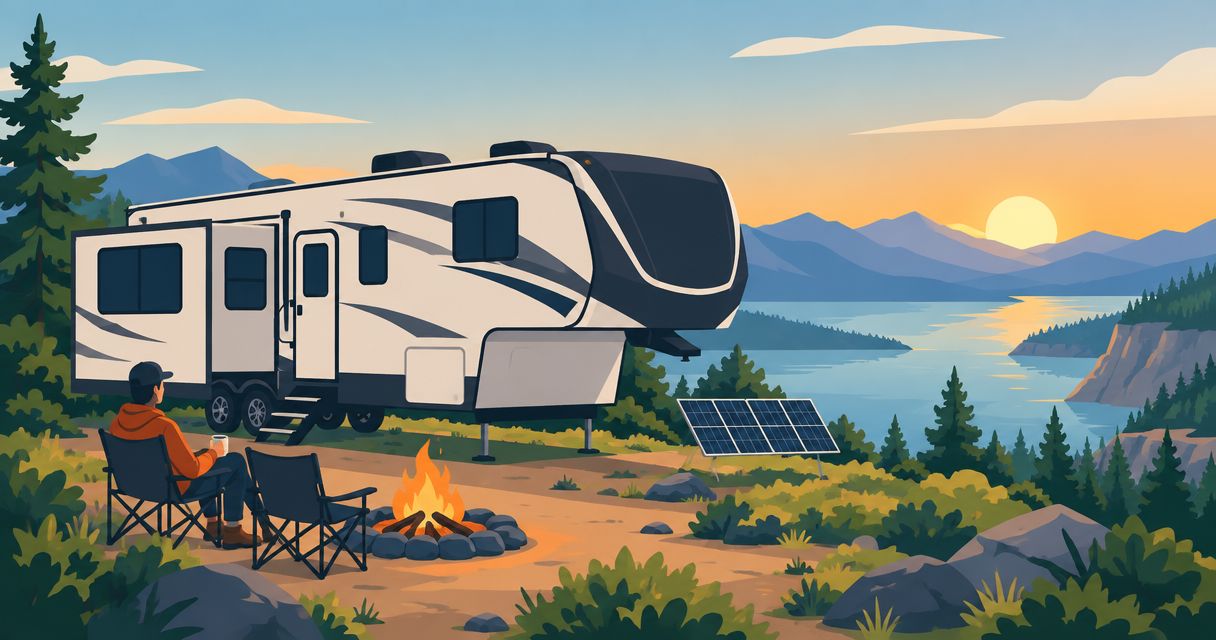
For your 2026 shortlist, separate the floorplan decision from the equipment decision. A bunkhouse solves sleeping arrangements; it does not establish battery endurance. Solar panels supply energy under suitable conditions; they do not prove that air conditioning will run through the night.
Recreation USA is best for Myrtle Beach-area fifth-wheel buyers who want a local, family-owned dealership offering sales, financing, trade-ins, parts, and service. Bring your truck information and camping plans so the discussion starts with fit rather than features.
What makes the best fifth wheels for boondocking
Use these six criteria before ranking any new or used unit:
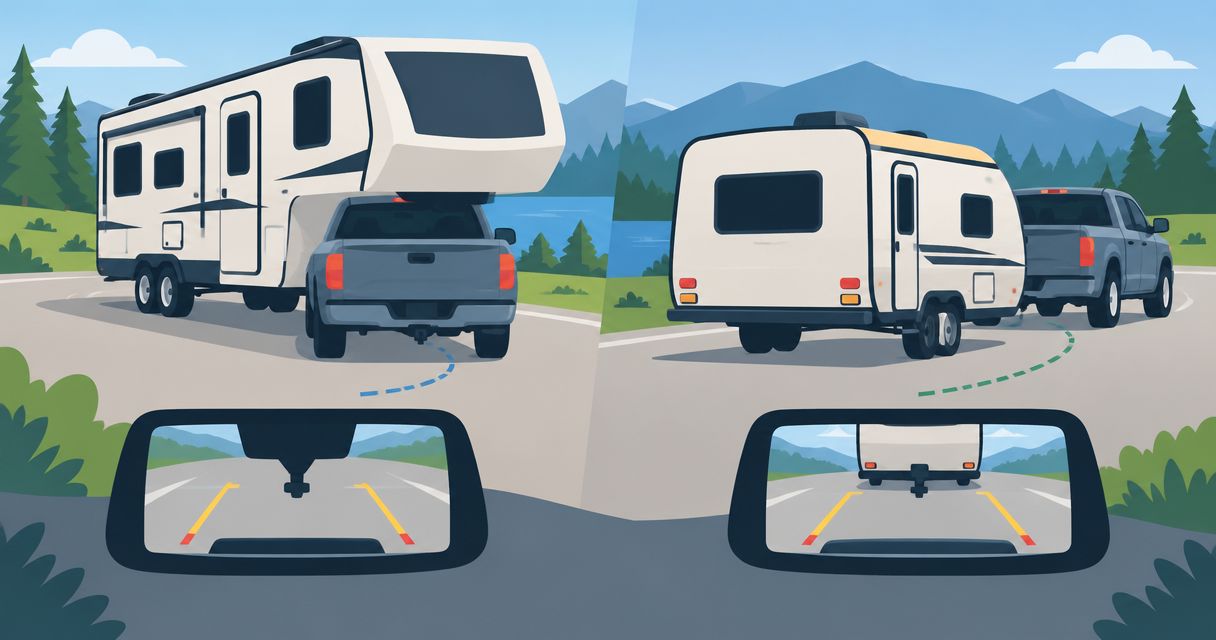
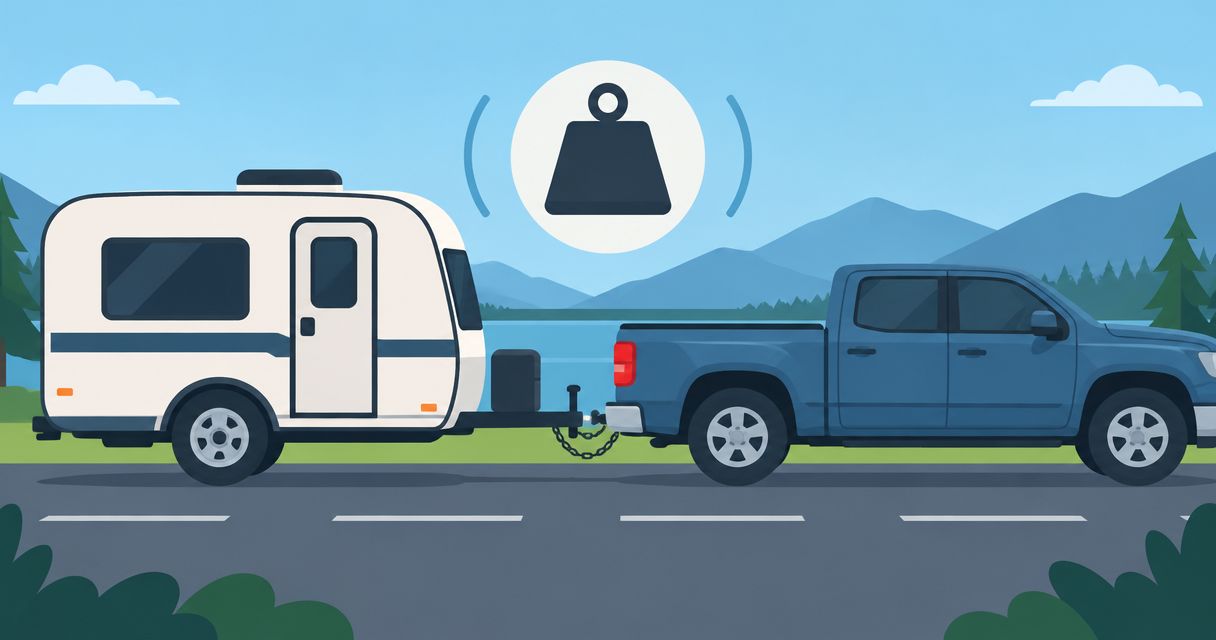
- Truck compatibility: Check the truck's payload, axle ratings, towing limits, hitch requirements, and expected loaded pin weight. A tow rating alone is not enough.
- Usable water capacity: Verify fresh, gray, and black tank capacities separately. Your usable stay ends when a necessary resource runs out or a wastewater tank fills.
- Complete electrical system: Confirm battery chemistry and usable capacity, charging equipment, inverter output, and which appliances the inverter actually supplies.
- Campsite access: Consider overall length, height, turning room, ground clearance, and the route into the campsite. Boondocking does not mean off-road capability.
- Liveable floorplan: Check bathroom access, sleeping arrangements, storage, and what remains accessible with slides retracted.
- Condition and serviceability: Inspect the roof, seals, frame, tires, brakes, plumbing, and electrical installation. Add-on equipment does not cancel structural problems.
Start with the tow vehicle, then compare floorplans. The guide to fifth wheels for three-quarter-ton and one-ton trucks covers that separate shopping decision; the specific truck's ratings still control your choice.
Fifth-wheel setups at a glance
These are ranked configuration choices, not claims that a particular model includes equipment. Verify the actual unit's specifications and installed options before buying in 2026.
| Rank and setup | Best for | Standout advantage | Key limitation |
|---|---|---|---|
| 1. Shorter fifth wheel | Access-focused couples and small households | Less length to manage on restricted approaches | Smaller dimensions do not guarantee low weight or adequate tanks |
| 2. Bunkhouse fifth wheel | Families needing separate sleeping spaces | Dedicated beds reduce daily furniture conversion | More occupants share the same water and power systems |
| 3. Used fifth wheel with planned upgrades | Buyers wanting control over a retrofit | Equipment can be selected around actual camping needs | Condition and installation quality need close inspection |
| 4. Residential-layout fifth wheel | Extended stays at accessible dry campsites | Living space supports longer periods indoors | Appliances and larger dimensions complicate off-grid planning |
| 5. Fifth-wheel toy hauler | Campers carrying recreational equipment | A garage separates cargo from living space | Cargo changes loaded weight and requires secure storage |
1. Shorter fifth wheel: best for access-focused camping
A shorter fifth wheel is the default starting point when campsite access matters more than maximum interior space. Less overall length helps when evaluating tight approaches, parking areas, and turning room, although the truck and trailer still need a suitable route.
Choose the actual layout carefully. Bathroom access, refrigerator access, and a usable bed matter during travel stops and arrival, especially if opening slides requires extra room.
Shorter fifth wheel pros:
- Less overall length to accommodate at a campsite.
- A focused floorplan can suit couples without unused bunk space.
- A smaller interior gives you fewer areas to inspect for everyday usability.
Shorter fifth wheel cons:
- Storage and separate sleeping spaces can be limited.
- Shorter length does not establish tank capacity, payload suitability, or electrical capability.
- Clearance and suspension still need inspection before rough-road travel.
Best for: Couples and small households choosing established dry-camping areas with constrained access.
Verdict: Buy a shorter fifth wheel when its loaded towing requirements, tanks, and electrical system match your trip. Skip any unit that passes the floorplan test but fails the truck check.
2. Bunkhouse fifth wheel: best for family sleeping space
A bunkhouse fifth wheel gives children or guests dedicated sleeping areas rather than requiring the main living area to become a bedroom each evening. That layout addresses sleeping arrangements, not resource endurance.
For family boondocking in 2026, count everyone who will use the bathroom, shower, lights, and charging outlets. Confirm bed access and storage with the people who will actually travel.
Bunkhouse fifth wheel pros:
- Dedicated sleeping spaces simplify bedtime arrangements.
- Separate areas let sleepers and awake campers use different parts of the RV.
- The floorplan can reduce repeated furniture conversion.
Bunkhouse fifth wheel cons:
- Additional occupants increase demand on shared water and electrical systems.
- Bunk space uses room that another layout assigns to living space or storage.
- A larger layout can narrow your campsite options.
Best for: Families and groups who prioritize separate beds over a compact footprint.
Verdict: Buy a bunkhouse fifth wheel after planning water use for the full household. Hold off if the desired sleeping capacity exceeds what the towing setup or resource plan supports.
3. Used fifth wheel: best for a planned off-grid retrofit
A used fifth wheel can serve as the base for a deliberately specified off-grid setup. Inspect the RV first, then decide whether its structure, weight limits, roof, and electrical layout support the changes you want.
Do not treat an existing solar panel or battery installation as proof of quality. Request equipment documentation and have unfamiliar wiring, mounting, protection, and charging arrangements checked by a qualified technician.
Used fifth wheel pros:
- You can select upgrades around your actual loads and camping habits.
- The existing floorplan can be evaluated independently of equipment additions.
- Documented service history helps you identify completed work and remaining needs.
Used fifth wheel cons:
- Water damage or neglected maintenance can make upgrades the wrong priority.
- Undocumented electrical modifications require investigation.
- Batteries and other additions consume carrying capacity.
Best for: Buyers prepared to coordinate inspections, repairs, and a defined equipment project.
Verdict: Buy the condition first and plan the retrofit second. Skip a used fifth wheel when unresolved structural or electrical problems undermine the project.
4. Residential-layout fifth wheel: best for extended stationary stays
A residential-layout fifth wheel prioritizes daily living space: seating, kitchen use, storage, and room to spend time indoors. It suits buyers whose dry-camping plans center on accessible sites rather than frequent moves through tight approaches.
Walk through an ordinary day before choosing. Identify every appliance you expect to use away from hookups, including refrigeration, cooking equipment, entertainment, and any laundry equipment actually installed.
Residential-layout fifth wheel pros:
- Dedicated living areas support extended time inside.
- Storage and seating can better match full-time or seasonal routines.
- The layout can prioritize adult living space instead of extra beds.
Residential-layout fifth wheel cons:
- Household-style electrical loads need a deliberate energy plan.
- Larger dimensions require careful route and campsite checks.
- Indoor comfort does not establish off-grid endurance.
Best for: Full-time and seasonal travelers using roomy, accessible dry-camping sites.
Verdict: Buy a residential-layout fifth wheel when daily comfort matters and the power plan supports it. Hold if the decision depends on unverified battery-powered appliance operation.
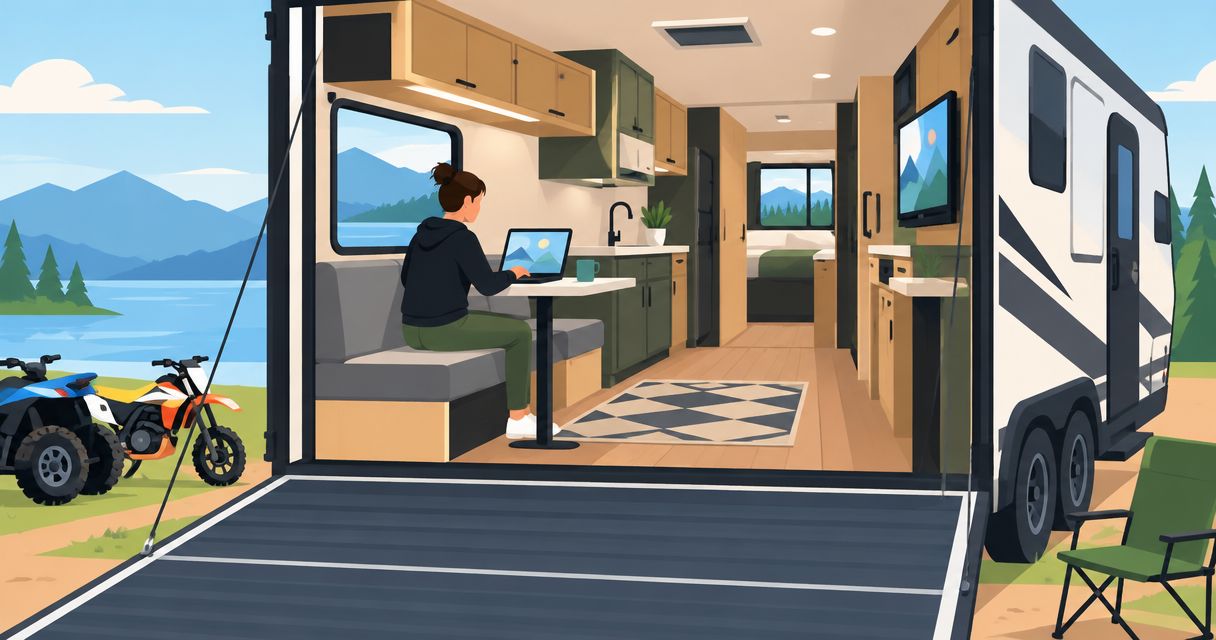
5. Fifth-wheel toy hauler: best for carrying recreational equipment
A fifth-wheel toy hauler includes a garage area intended for cargo. For campers carrying suitable recreational equipment, separating that load from the living area addresses a need a conventional floorplan does not.
Confirm the garage dimensions, cargo limits, tie-down provisions, and loading instructions for the specific unit. Recheck towing and weight distribution with the actual equipment aboard.
Fifth-wheel toy hauler pros:
- A garage provides a defined cargo area.
- Equipment stays separate from the primary living space.
- The layout can combine camping and equipment transport in one trailer.
Fifth-wheel toy hauler cons:
- Cargo changes the loaded trailer's weight and balance.
- Garage space competes with other interior uses.
- Larger dimensions can restrict access to remote campsites.
Best for: Campers whose equipment-hauling needs justify a dedicated garage.
Verdict: Buy a fifth-wheel toy hauler for a verified cargo requirement. Skip the garage layout if you do not need it; extra space is not automatically an off-grid advantage.
Build your off-grid plan before choosing equipment
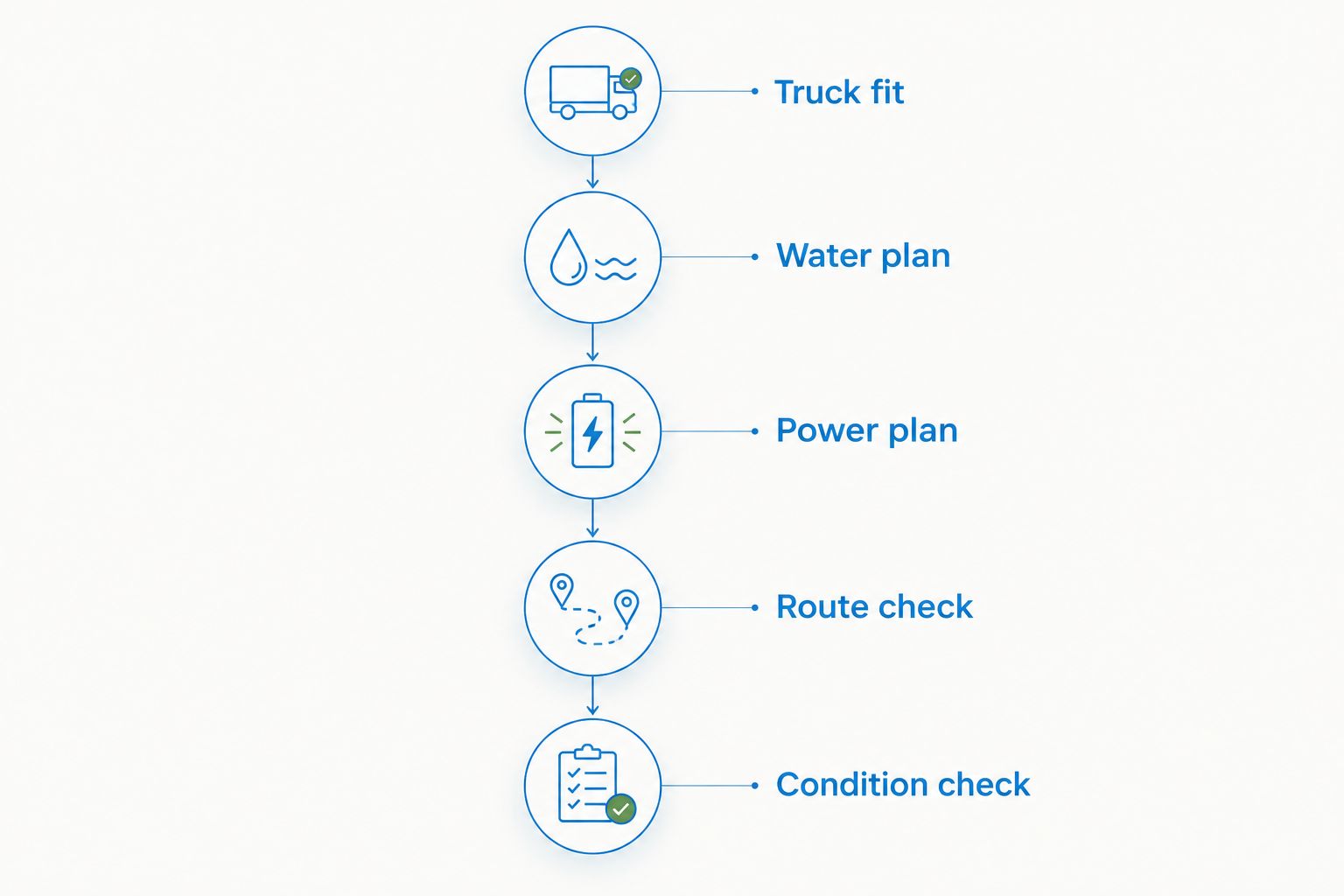
Use this sequence for a 2026 purchase. Record the results for each candidate so a familiar floorplan does not distract you from an unsuitable setup.
- Truck fit: Gather vehicle ratings, hitch information, and loaded-weight requirements. Include passengers and equipment carried in the truck.
- Water plan: Verify tank capacities and estimate your household's use. Include a legal refill and wastewater-disposal plan.
- Power plan: List electrical loads, expected operating time, and charging methods. Have the complete installation checked for compatibility.
- Route check: Confirm access restrictions, campsite dimensions, surface conditions, and space for slides.
- Condition check: Inspect the RV and resolve faults before treating upgrades as the next step.
The order matters. There is no reason to design an electrical upgrade for a fifth wheel your truck cannot safely carry and tow.
Translate resources into a realistic stay
Use your own measurements, not a promised number of camping days. As a planning example, allocating 20 gallons of usable fresh water at 4 gallons per day gives 5 days before refilling; that calculation says nothing about the particular RV's tank capacity or when its gray tank fills.
Apply the same discipline to electricity. If your measured loads consume 600 watt-hours per day, a 3-day stay requires 1,800 watt-hours for those loads before accounting for losses, reserve, or replenishment. This is a worked example, not an equipment recommendation.
Check units before comparing battery information. Amp-hours alone do not describe energy without voltage, and inverter output does not describe how long a battery will supply a load. Ask for both usable energy and the supported appliance circuits.
Ask practical dealership questions
Recreation USA sells new and used fifth wheels and offers financing, trade-ins, parts, and service. For a 2026 shortlist, call the Myrtle Beach-area lots with the following questions:
- What are this unit's documented tank capacities and weight ratings?
- Which batteries, charging equipment, and inverter are actually installed?
- What works with the slides retracted?
- What maintenance or repair needs should be addressed before dry camping?
- How would my trade-in and financing application fit the purchase?
The dealership's wholesale-to-you approach and no hidden freight or prep fees support a straightforward purchase discussion. Still request a written itemized agreement and review the complete transaction; financing approval is not guaranteed.
Plan your fifth-wheel purchase
Discuss towing, floorplans, trade-ins, financing, and service with the Myrtle Beach-area dealership.
How the setups are ranked
This ranking puts truck compatibility and campsite access ahead of extra interior features, then considers water, electrical capability, floorplan usefulness, and condition. The shorter fifth wheel is the default because access is part of the camping requirement, not an upgrade you can add later.
The remaining choices serve distinct needs: family beds, a planned retrofit, extended indoor living, or equipment transport. None receives a blanket endurance claim. The individual unit and your consumption determine the result.
Which fifth wheel should you choose?
Start with a shorter fifth wheel unless your household or cargo requires a different layout. Then reject any candidate that cannot satisfy the truck, water, electrical, access, and condition checks.
Choose a bunkhouse for dedicated family beds, a used unit for a planned retrofit, a residential layout for extended stationary living, or a toy hauler for equipment. Recreation USA fifth-wheel buyers from Conway, Myrtle Beach, and nearby states should bring those requirements to the dealership rather than shopping by appearance alone.
FAQ
What's the best fifth wheel for boondocking in 2026?
A shorter fifth wheel with verified towing compatibility, adequate tanks, and a complete off-grid electrical system is the default choice. Choose a bunkhouse, residential layout, or toy hauler when a specific sleeping, living, or cargo requirement justifies it.
Is a solar-ready fifth wheel ready for off-grid camping?
A solar-ready label alone does not establish off-grid capability. Verify the installed panels, batteries, charging equipment, wiring, inverter, and supported circuits on the actual unit.
Can I run fifth-wheel air conditioning on batteries?
Battery-powered air conditioning requires a system designed for the appliance's starting demand, running load, and intended operating time. Have a qualified technician verify the complete installation rather than relying on the presence of solar panels.
How long can a fifth wheel stay off-grid?
The stay lasts only as long as your water, wastewater storage, electrical energy, and other essential supplies support it. Calculate endurance from the actual RV's capacities and your household's measured use.
Is a used fifth wheel a good choice for boondocking?
A used fifth wheel is a suitable retrofit candidate when its condition and weight limits support the project. Inspect the structure, running gear, plumbing, and electrical system before planning additions.
Do I need a one-ton truck for a fifth wheel?
The specific truck and loaded fifth wheel determine suitability, not the truck's category name alone. Check payload, axle ratings, towing limits, hitch requirements, and loaded pin weight together.
Can Recreation USA help with a fifth-wheel trade-in and financing?
Recreation USA offers trade-ins and financing alongside new and used RV sales. Contact the Myrtle Beach-area dealership to discuss your situation; financing approval is not guaranteed.
One last thing
Check gray-water storage before adding more fresh-water capability. Carrying additional fresh water does not extend a stay when wastewater storage is already the limiting resource, and the extra water adds weight.
That is the final filter for your 2026 decision: improve the resource that actually limits your camping, not the feature that looks most impressive on the equipment list.