Yes, you can live in a toy hauler full time if the specific RV suits your climate, loaded towing requirements, and daily living needs, and your campsite allows residential use. The main catch is that a garage, extra beds, or a four-season label does not establish full-time warranty coverage, legal occupancy, or comfort throughout the year. Choose the floorplan around an ordinary workday and a rainy evening—not just loading day.
- Can you live in a toy hauler full time? Yes, with suitable towing, climate protection, utilities, and lawful campsite arrangements.
- Choose a toy hauler when the garage earns its space through hauling, work, or flexible sleeping arrangements.
- Check the specific RV’s warranty and insurance terms for full-time occupancy before signing.
- Recreation USA is a family-owned Myrtle Beach-area dealership for new and used RV shoppers.
Can you live in a toy hauler full time?
Yes—but approve the living arrangement and the specific RV separately. A toy hauler gives you living quarters plus cargo space; it does not automatically give you permission to occupy a particular property or coverage for continuous residential use.
Start your 2026 search by comparing these options against how you actually spend your days. For local help, Recreation USA sells new and used travel trailers, fifth wheels, toy haulers, and motorhomes in the Myrtle Beach area.
| Option | Best for | Main advantage | Main drawback |
|---|---|---|---|
| Travel trailer toy hauler | Buyers who need a garage and prefer a bumper-pull layout | Combines cargo space with living quarters | Garage space competes with dedicated household space |
| Fifth-wheel toy hauler | Buyers who want a fifth-wheel layout and need cargo space | Combines a fifth-wheel living arrangement with a garage | Requires a compatible truck and bed-mounted hitch |
| Conventional travel trailer or fifth wheel | Buyers who do not need indoor vehicle storage | Lets you prioritize residential rooms instead of a garage | Lacks the toy hauler’s dedicated cargo-loading arrangement |
There is no automatic winner between these layouts. Buy the garage only if you have a clear use for it. Otherwise, compare a conventional travel trailer or fifth wheel before committing.
Why this matters
Full-time living exposes compromises that a short camping trip can hide. You need somewhere to work, dry wet clothing, store groceries, manage laundry, and sleep while someone else uses the kitchen.
A garage can help with those needs, but only if the actual floorplan supports them. A cargo area filled with equipment is not simultaneously an open office, guest room, and dining space.
For a 2026 purchase, write down your nonnegotiable daily activities before shopping. That list is more useful than choosing the longest RV or the largest garage first.
Travel trailer toy hauler: prioritize the loaded towing match
Best for: buyers who need a garage and prefer a bumper-pull trailer. A travel trailer toy hauler belongs on your shortlist when its loaded weight, hitch requirements, and layout fit your tow vehicle and routine.
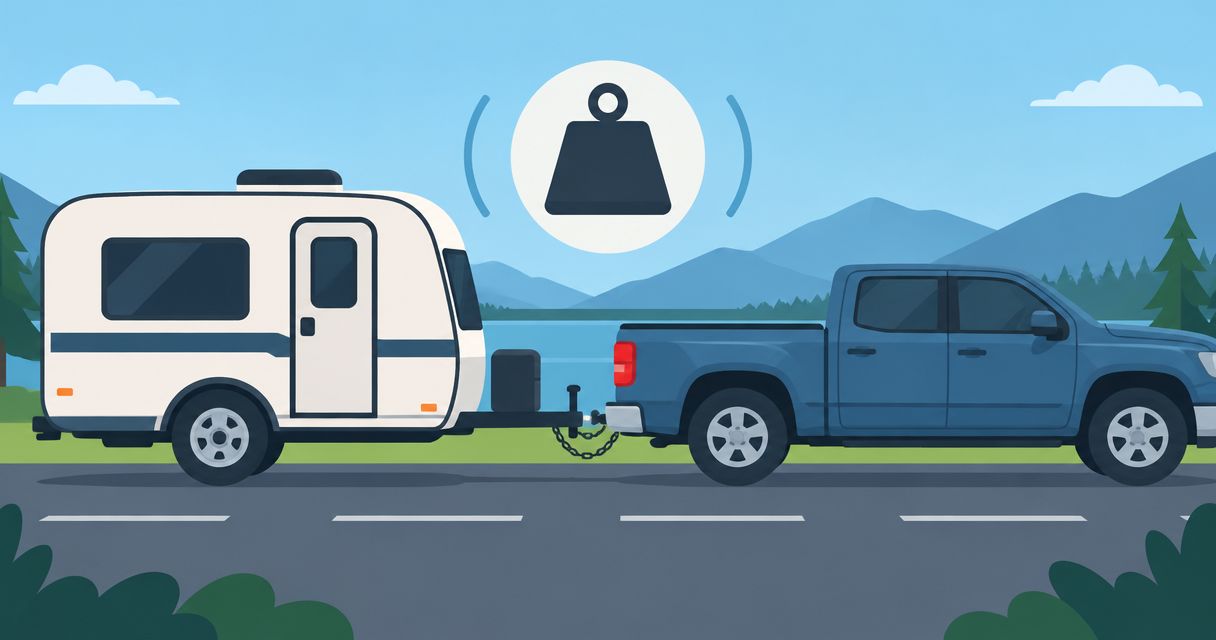
Check the truck’s payload label, tow rating, receiver limits, and the trailer manufacturer’s requirements. Passengers, equipment, and trailer tongue weight all affect the truck’s load; a headline towing capacity does not settle the match.
The trade-off is floor space. Walk through the trailer with beds, seating, and garage furnishings in their intended positions, rather than judging it only while everything is folded away.
Fifth-wheel toy hauler: prioritize truck capacity and access
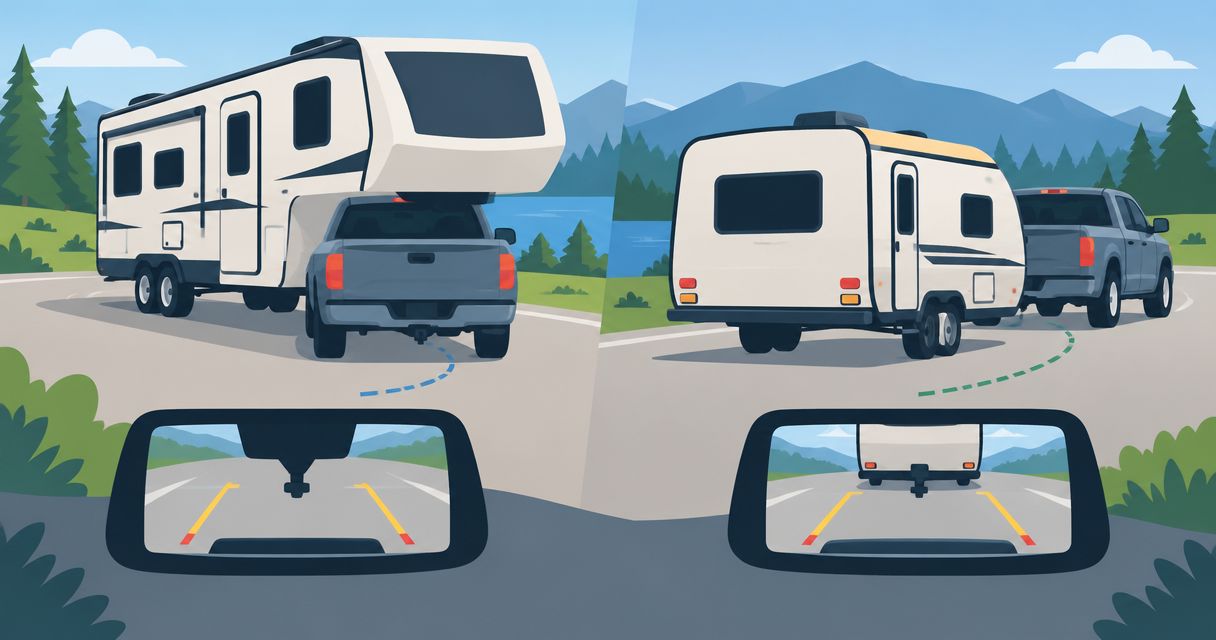
Best for: buyers who need cargo space and prefer a fifth-wheel living layout. The truck, hitch, trailer, and cargo must work together as a loaded combination.
Confirm pin weight against the truck’s payload and axle limits. Check truck-bed clearance and turning clearance using the equipment manufacturers’ instructions, rather than assuming that a truck’s size or badge establishes compatibility.
Inside, assess stairs, bedroom access, and movement between the garage and living room. A layout that looks spacious while parked still needs to work during nighttime bathroom trips and everyday chores.
How to check a toy hauler before living in it full time
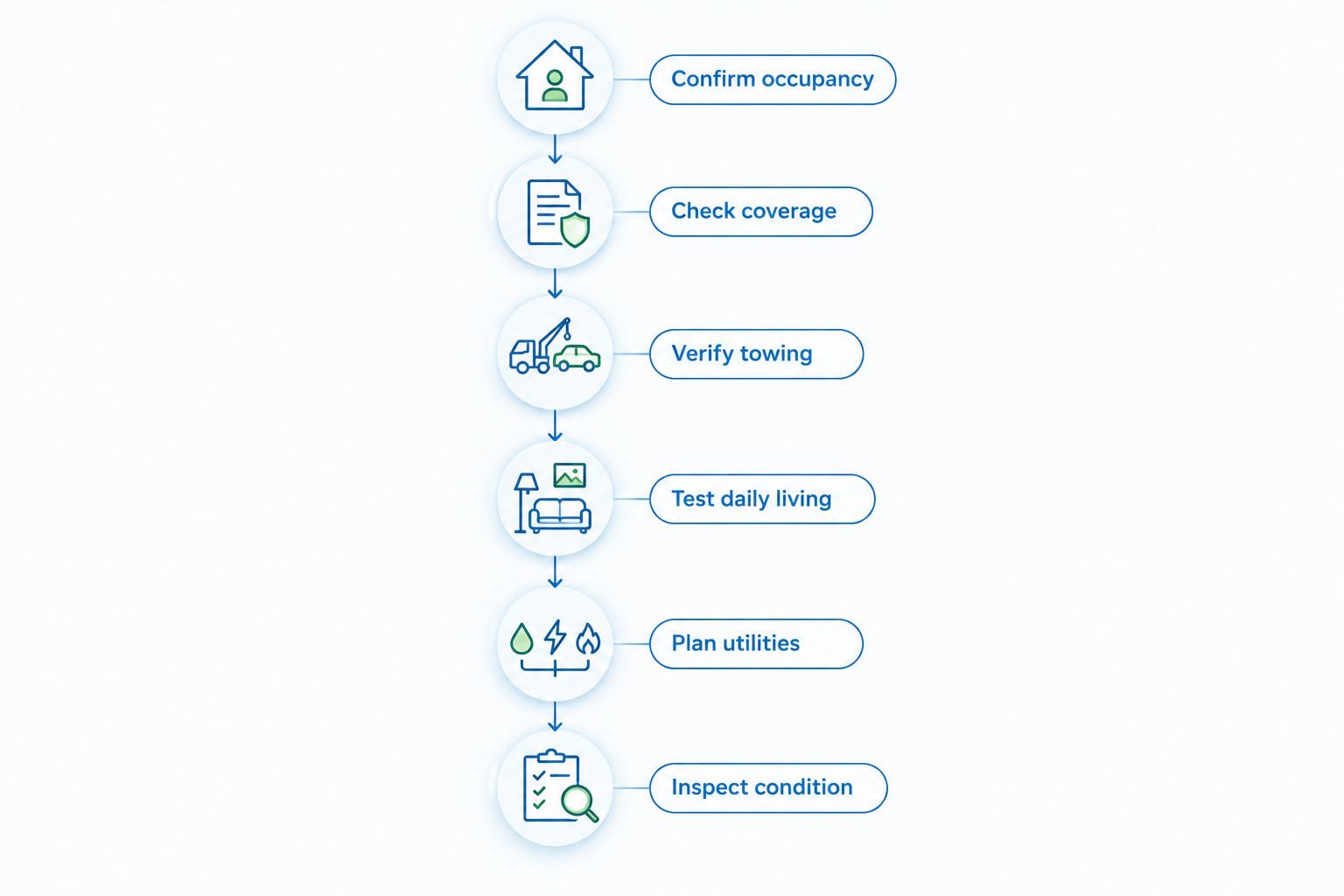
Use this sequence before leaving a deposit. Each step resolves a different problem; passing the towing check does not replace checking occupancy rules or warranty terms.
1. Confirm occupancy
Ask the campground whether it accepts full-time residents, how long you can stay, and what its written agreement requires. Confirm whether reservations cover the period you actually need, including seasonal transitions.
For private land, contact the local zoning or planning office about residential RV occupancy, utility connections, and wastewater disposal. Owning the property does not replace checking local requirements.
2. Check coverage
Read the warranty for the exact RV, including its definition of permitted use and any residential-use exclusions. Ask for written clarification when the wording does not answer your situation.
Tell the insurer that the RV will be your primary residence. Review personal belongings, liability, towing, and temporary accommodation coverage instead of assuming a recreational-use policy addresses full-time living.
3. Verify towing
List everything that travels: people, pets, clothing, tools, motorcycles, furniture, food, and fluids. Compare the loaded combination with the applicable truck, trailer, tire, axle, and hitch ratings.
Fresh water weighs about 8.34 pounds per U.S. gallon, so tank contents belong in the load calculation. Use scale weights to verify the combination rather than relying on an empty-trailer figure or a seller’s verbal assurance.
4. Test daily living
Sit at the dining table, stand in the shower, reach the cabinets, and open the refrigerator. Check what remains accessible with slides retracted and garage furniture deployed.
Imagine arriving during heavy rain with the cargo still inside. If your bed, work area, or bathroom access depends on unloading first, decide whether that arrangement fits your travel routine.
5. Plan utilities
Identify how you will obtain electricity, drinking water, wastewater disposal, internet, and laundry access. Separate what the RV contains from what the campsite supplies.
RV household circuits commonly use 120-volt AC power, but that does not establish how many appliances you can run together. Match the RV’s electrical requirements to the pedestal and follow the manufacturer’s connection instructions.
6. Inspect condition
For a used toy hauler, inspect roof seams, wall and floor condition, the ramp, seals, tie-down points, appliances, and service records. Look for water intrusion and evidence of cargo-area damage.
Arrange an independent RV inspection when you need help evaluating condition. A clean interior does not establish that concealed areas, safety equipment, or plumbing are sound.
Why full-time toy hauler suitability varies
The same toy hauler can fit one household and frustrate another. These factors determine whether its cargo-focused layout helps or gets in the way:
- Garage use: Decide whether the garage primarily carries equipment, supports work, or provides sleeping space. Check which activities can happen without rearranging everything.
- Climate: Review insulation, heating, cooling, plumbing protection, and ventilation for your destination. Water freezes at 32°F, so exposed plumbing needs attention before freezing weather arrives.
- Travel pattern: Frequent moves put loading, hitching, route planning, and setup into your routine. Longer stays make site rules and utility arrangements central concerns.
- Household needs: Privacy, pets, mobility, remote work, and storage needs affect whether shared spaces remain usable throughout the day.
- Utilities and maintenance: Hookups, tank access, service appointments, and repair arrangements shape everyday use. Plan where you will stay if the RV needs work that prevents occupancy.
For Myrtle Beach, Conway, and other Carolinas destinations, evaluate humidity control as well as heating and cooling. Check ventilation and monitor condensation rather than treating the thermostat setting as the whole comfort plan.
Can the garage work as a bedroom or home office?
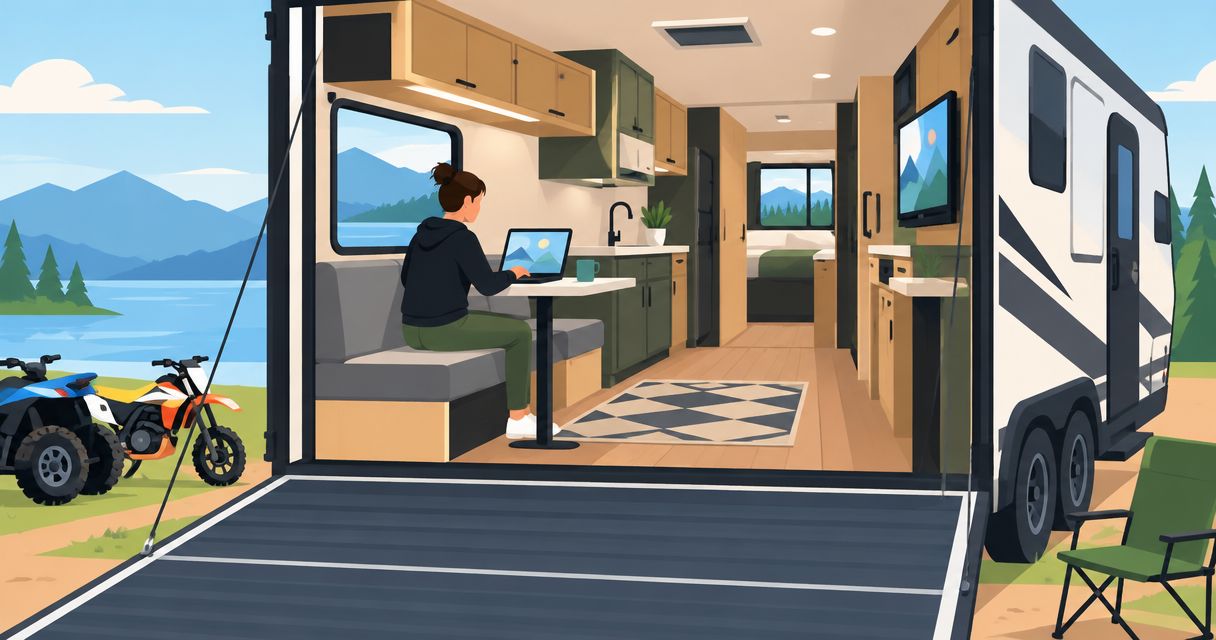
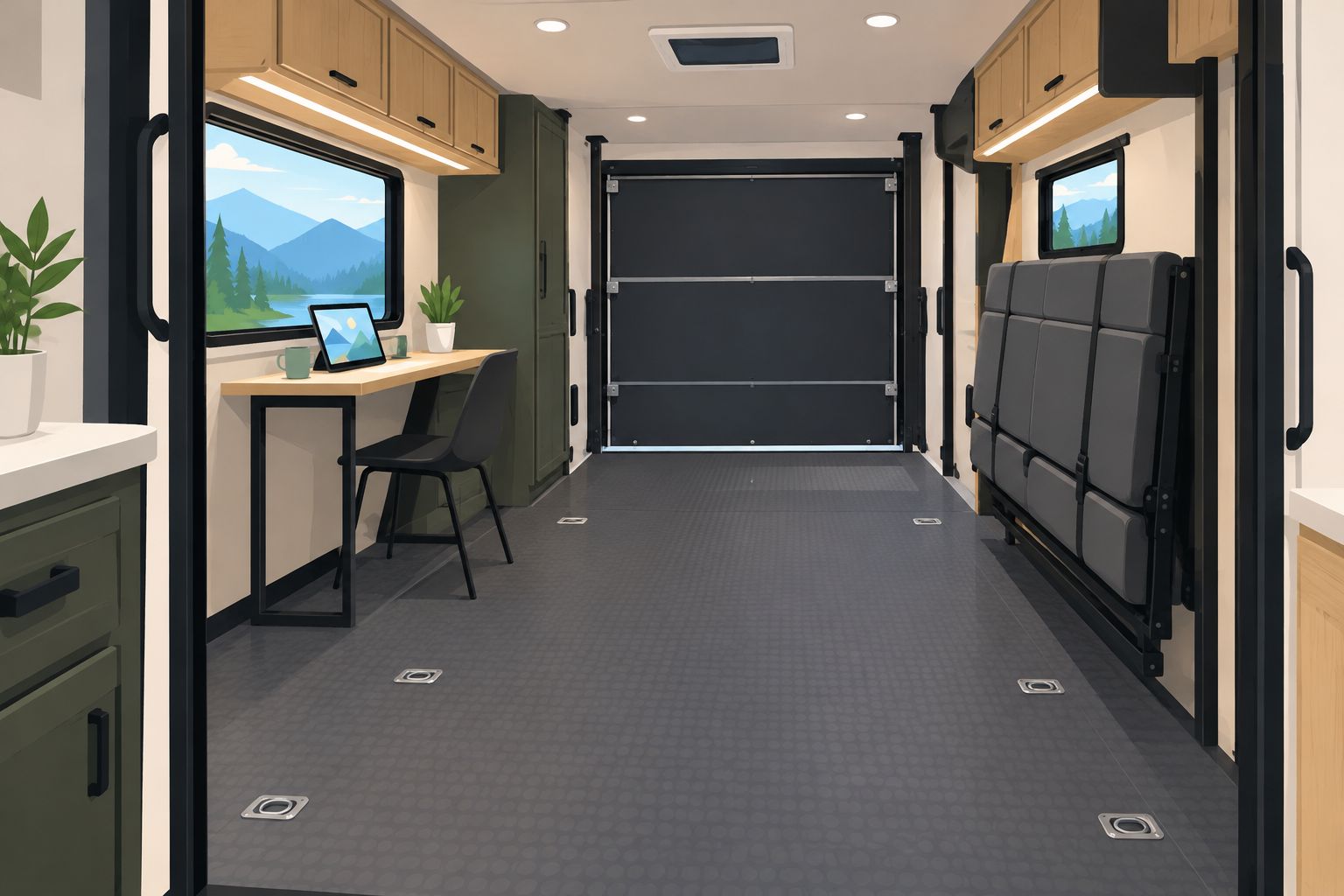
A toy hauler garage can serve as a bedroom or office only when the specific space and equipment support that use. Verify seating, sleeping arrangements, heating and cooling, electrical outlets, ventilation, and emergency exits.
Do not treat a cargo ramp or patio arrangement as a substitute for an approved exit. Keep fuel-powered equipment shut down indoors, follow the manufacturer’s fuel-handling instructions, and maintain the RV’s required safety alarms.
For an office, test the actual work position. Check desk height, lighting, internet reception, outlet placement, and whether another person can move through the RV without interrupting calls.
Is a toy hauler better than a regular fifth wheel for full-time living?
A toy hauler is the better fit when you genuinely need the garage; a conventional fifth wheel deserves priority when dedicated living rooms matter more. Neither layout resolves towing, legal occupancy, or insurance requirements by itself.
Compare equivalent daily activities rather than counting features. Ask where you will eat when someone is working, where guests sleep, and whether stored equipment displaces furniture you need every day.
For your 2026 shortlist, reject any floorplan that requires a compromise you already know you cannot tolerate. Extra cargo flexibility is not useful if you dislike the resulting living arrangement.
What should you ask a Myrtle Beach-area dealer?
Bring your tow vehicle information, intended cargo, destination climate, and expected occupancy pattern. Ask the dealer to distinguish documented specifications from features that still require verification.
Recreation USA is best suited to RV buyers who want a family-owned dealership in the Myrtle Beach area. Its wholesale-to-you approach and no hidden freight or prep fees address the buying process; full-time suitability still depends on the particular RV and your plans.
Before committing in 2026, request the written purchase terms, applicable warranty documents, and an explanation of service arrangements. If you are financing or trading in, review those figures separately from the floorplan decision and do not treat approval as guaranteed.
Qualified buyers from Conway, the Carolinas, and nearby states can call Recreation USA’s Myrtle Beach-area lots to discuss new or used travel trailers, fifth wheels, and toy haulers. Explain that you intend to live in the RV full time so the conversation starts with the right requirements.
FAQ
Can you live in a toy hauler full time in 2026?
Yes, you can live in a toy hauler full time in 2026 when the RV suits your needs and your location permits occupancy. Verify towing limits, warranty terms, insurance, climate protection, and utilities before committing.
Can I live in a toy hauler on my own land?
You must confirm local residential RV occupancy rules before living in a toy hauler on your own land. Ask the zoning or planning office about occupancy, utilities, and wastewater disposal.
Does a four-season label mean a toy hauler is ready for full-time living?
No, a four-season label does not establish full-time warranty coverage or suitability for every climate. Review the specific RV’s insulation, plumbing protection, heating, cooling, and manufacturer instructions.
Can kids sleep in a toy hauler garage?
Use a toy hauler garage for sleeping only when the manufacturer’s approved arrangement supports it. Check bed limits, ventilation, emergency exits, and safety equipment, and follow cargo and fuel-handling instructions.
Do I need special insurance to live in my toy hauler?
Tell your insurer that the toy hauler will be your primary residence and obtain coverage suited to that use. Review belongings, liability, and temporary accommodation coverage rather than assuming a recreational policy is sufficient.
Is a used toy hauler suitable for full-time living?
A used toy hauler can suit full-time living if its condition, layout, towing requirements, and permitted use fit your situation. Inspect water intrusion, the ramp, cargo flooring, appliances, and service history before buying.
Should I keep buying if the monthly payment fits my budget?
No, an affordable payment alone does not establish affordable full-time ownership. Include campsite arrangements, insurance, utilities, maintenance, towing needs, and an alternative place to stay during repairs in your planning.
One last thing
Tour your finalist with the garage arranged for its least convenient day. Keep the ramp closed, picture the cargo aboard, and put the beds and furniture where they belong overnight.
That walkthrough reveals whether you are buying usable living space or space that only works after a daily reshuffle. Before a 2026 purchase, solve that problem on the lot—not after moving in.