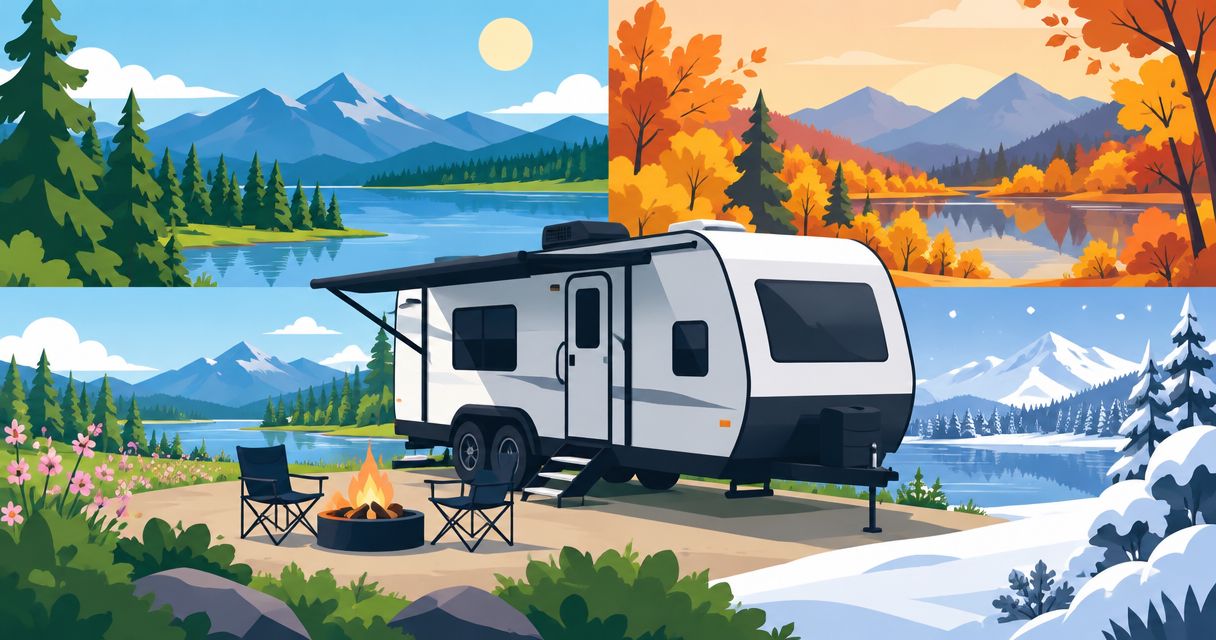
Best overall: a travel trailer with a documented cold-weather package. Best for families: a cold-weather bunkhouse. Best budget option: a used trailer with verified freeze protection and sound construction. This 2026 guide ranks trailer configurations by how you camp—not by a four-season badge—and explains what to check before buying through Recreation USA, a family-owned dealership with two Myrtle Beach-area lots.
- The best four season travel trailers protect plumbing, control condensation, and fit your tow vehicle’s limits.
- Choose a cold-weather bunkhouse for family camping; choose a compact layout for couples and frequent travel.
- Recreation USA serves Myrtle Beach-area buyers shopping new and used travel trailers and fifth wheels.
- Verify the exact trailer’s cold-weather equipment before committing; a package name is not a temperature guarantee.
Why this matters
A comfortable living room does not prove that an RV’s plumbing is protected from freezing. Fresh water freezes at 32°F under ordinary atmospheric conditions, and exposed lines, valves, and fittings need attention alongside the tanks. Heat inside the trailer does not automatically reach those components.
For year-round camping from Myrtle Beach and Conway into the Carolinas and nearby states, choose around your actual destinations. Coastal summer humidity, cool shoulder-season weekends, and sustained freezing conditions create different demands. Your 2026 shortlist should start with those demands, not with the longest feature list.
What makes the best four-season travel trailer?
Use these six criteria before comparing floorplans:
- Plumbing protection: Identify where fresh-water lines, tanks, valves, and low-point drains sit, and how each receives protection.
- Heating coverage: Confirm whether underbelly heat depends on the furnace, electric tank heaters, or another documented system.
- Insulation and openings: Check the manufacturer’s construction information, window specifications, door seals, and slide seals.
- Moisture control: Look for practical ventilation and access to surfaces where condensation collects.
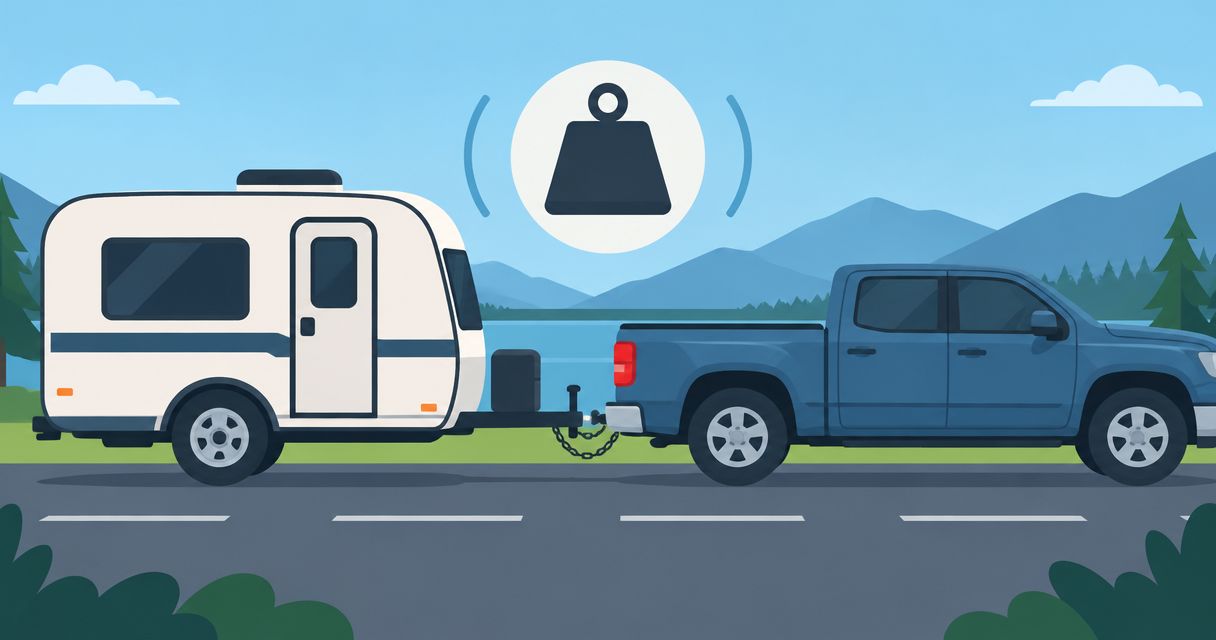
- Towing fit: Match loaded trailer weight, tongue weight, hitch limits, and vehicle payload—not just advertised tow capacity.
- Usable floorplan: Test sleeping, cooking, storage, and bathroom access with the trailer arranged as you will use it.
The best trailer is the one whose protection systems you understand and whose loaded weight your vehicle can handle. A larger floorplan does not fix exposed plumbing, and an insulation claim does not replace a towing calculation.
Four-season travel trailers at a glance
These are buying configurations, not claims that every trailer in a category includes cold-weather equipment. Each requires verification on the exact unit.
| Rank and configuration | Best for | Standout feature to verify | Key limitation |
|---|---|---|---|
| Documented cold-weather package | Mixed-season trips, including freezing weather | Protection for plumbing beyond the living area | Protection depends on operating conditions and power |
| Compact cold-weather layout | Couples and frequent travelers | Protected systems in a manageable floorplan | Less room for storage and indoor downtime |
| Cold-weather bunkhouse | Families traveling with children | Separate sleeping spaces plus protected plumbing | Passengers and camping gear affect towing calculations |
| Residential-style cold-weather layout | Full-time and extended-stay campers | Daily-use storage and accessible utilities | Longer stays require moisture and maintenance management |
| Used cold-weather-equipped trailer | Buyers prioritizing purchase value | Working protection systems and sound construction | Past leaks and modifications require close inspection |
1. Documented cold-weather package: best for mixed-season trips
A travel trailer with documented cold-weather equipment is the strongest default for a buyer planning both mild-weather trips and freezing-weather camping. The deciding detail is not the package name. It is whether the exact trailer protects the components you intend to use.
Ask how heat reaches the underbelly, whether exposed valves remain vulnerable, and what powers any tank heaters. Read the operating instructions before treating the trailer as ready for winter camping.
Cold-weather-package pros:
- Gives you a specific equipment checklist to verify.
- Supports a decision based on plumbing protection rather than appearance.
- Lets you compare operating requirements against your camping plans.
Cold-weather-package cons:
- A package label does not establish a minimum safe outside temperature.
- Protection can depend on running the furnace or maintaining electrical power.
- Separate hoses and campsite connections still need their own plan.
Best for: Buyers taking a mix of summer, shoulder-season, and freezing-weather trips in 2026.
Before signing, have the seller explain the system on the actual trailer. Ask what remains exposed and what happens when the trailer is parked without heat. Verdict: Buy when the documented protection matches your destinations and you can meet its operating requirements.
2. Compact cold-weather layout: best for couples and frequent travel
A compact travel trailer suits couples and first-time campers who want a usable living space without choosing more trailer than their trips require. Cold-weather equipment still comes first; a shorter trailer is not automatically insulated or freeze-protected.
Walk through the layout with your usual gear in mind. Check whether coats, wet footwear, bedding, and cooking supplies have somewhere to go without blocking vents or exits.
Compact cold-weather layout pros:
- Keeps the floorplan focused on a smaller traveling group.
- Makes it easier to assess whether you genuinely need additional rooms.
- Offers a practical starting point for buyers comparing smaller towable layouts.
Compact cold-weather layout cons:
- Limited storage becomes noticeable during extended trips.
- A compact footprint does not guarantee compatibility with your tow vehicle.
- Tight sleeping areas require attention to ventilation and condensation.
Best for: Couples, solo travelers, and new campers who move between destinations frequently.
Sit inside with the door closed and picture a rainy afternoon rather than a sunny campsite. If the seating and storage work then, the layout has passed a useful test. Verdict: Buy for frequent travel when the loaded towing calculation and cold-weather equipment both check out.
3. Cold-weather bunkhouse: best for families with children
A bunkhouse gives children dedicated sleeping space while preserving the main bed for adults. For year-round family camping, evaluate that sleeping arrangement alongside heating coverage, ventilation, and protected water systems.
Check the bunks themselves. Exterior-wall surfaces, mattresses, and stored bedding deserve regular inspection for condensation during cool-weather use. Also confirm that bags and toys will not cover heating outlets.
Cold-weather bunkhouse pros:
- Separates children’s sleeping space from the main bed.
- Reduces dependence on converting seating into beds each night.
- Lets you assess family routines within a defined floorplan.
Cold-weather bunkhouse cons:
- Passengers, luggage, and towing equipment all affect vehicle payload.
- Extra beds do not necessarily mean comfortable shared seating.
- More belongings create more opportunities to obstruct airflow.
Best for: Families planning school-break trips, weekends, and seasonal camping across the Carolinas.
For a 2026 purchase, check each sleeping position, bathroom access, and seating arrangement before choosing by bunk count. Compare the trailer against the tow vehicle as it will actually travel—with the family aboard. Verdict: Buy when the bunkhouse improves daily use without exceeding towing limits.
4. Residential-style cold-weather layout: best for extended stays
A residential-style travel trailer puts more emphasis on everyday living: storage, seating, kitchen use, and access to utilities. That makes the configuration relevant to full-time and seasonal shoppers, but residential appearance says nothing about freeze protection.
Evaluate the spaces you will use repeatedly. Open cabinets, inspect access panels, and find the water shutoffs. A floorplan that looks comfortable during a walkthrough must also be practical to clean, ventilate, and maintain.
Residential-style cold-weather layout pros:
- Prioritizes routines beyond sleeping at the campsite.
- Gives you a basis for comparing storage and indoor living arrangements.
- Supports a deliberate check of maintenance access before purchase.
Residential-style cold-weather layout cons:
- Larger layouts require careful towing and campsite-fit checks.
- Extended occupancy creates ongoing moisture-control work.
- A residential-style floorplan does not prove suitability for full-time use.
Best for: Extended-stay and full-time buyers who need everyday usability.
Check the manufacturer’s intended-use guidance and warranty terms for the exact trailer. Recreation USA sells both travel trailers and fifth wheels, so shoppers can discuss both formats without assuming that one automatically solves winter camping. Verdict: Buy only after the equipment, intended use, and towing requirements match your plans.
5. Used cold-weather-equipped trailer: best for value-focused buyers
A used travel trailer belongs on the shortlist when its construction and cold-weather systems pass inspection. The original equipment list is only the starting point. Seals, plumbing, heaters, and previous modifications need a current condition check.
Inspect for water intrusion before focusing on furnishings. Staining, soft surfaces, damaged seals, and unexplained repairs deserve answers and further inspection—not assumptions that the problem is cosmetic.
Used cold-weather-equipped trailer pros:
- Lets you evaluate an existing trailer’s actual condition.
- Gives trade-in shoppers another configuration to compare.
- Rewards buyers who prioritize documented equipment and maintenance.
Used cold-weather-equipped trailer cons:
- Previous modifications can change how protection systems operate.
- Hidden water damage can be difficult to identify during a casual tour.
- Original specifications do not prove that equipment still works.
Best for: Buyers prioritizing value who are prepared to inspect condition carefully.
Ask for available maintenance records and arrange an appropriate pre-purchase inspection. Verify furnace operation and any installed tank-heating equipment rather than accepting the old brochure as proof. Verdict: Buy after inspection; skip a trailer with unresolved water damage or unexplained system changes.
Check towing before choosing the floorplan
Your towing decision needs the exact vehicle and trailer, not a general description such as half-ton truck or family SUV. Start with the vehicle’s labels and owner’s manual, then check the trailer’s weight ratings and your hitch equipment.
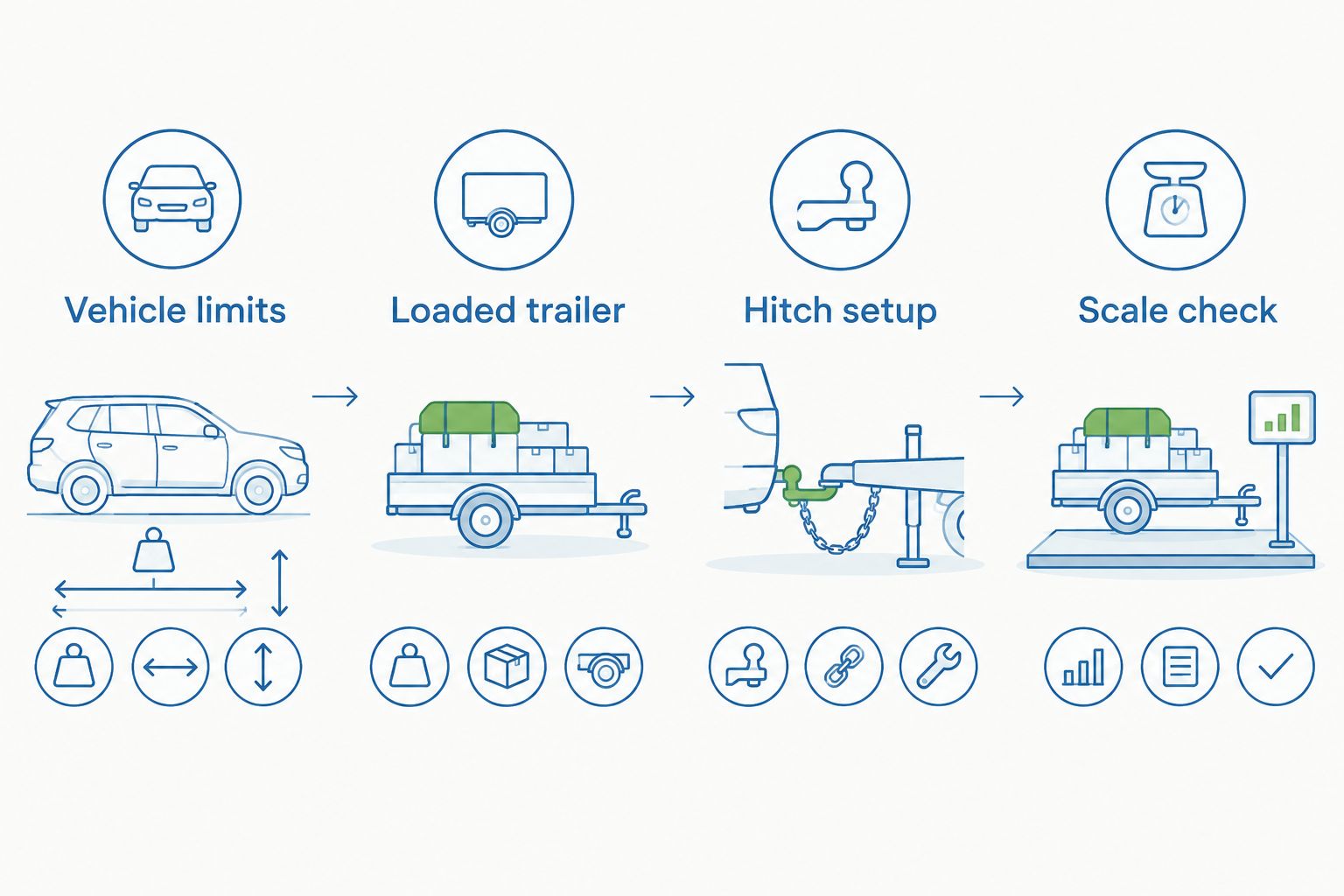
Use this sequence:
- Vehicle limits: Confirm payload, towing limits, axle ratings, and applicable manufacturer instructions.
- Loaded trailer: Account for water, batteries, propane, belongings, and installed accessories.
- Hitch setup: Confirm receiver and hitch limits, plus any weight-distribution requirements.
- Scale check: Verify the loaded combination on a suitable vehicle scale.
Fresh water weighs about 8.34 pounds per US gallon. Carrying 10 US gallons adds about 83.4 pounds before you count the tank itself or other gear. That weight belongs in the loaded-trailer calculation, even when carrying water helps your camping routine.
For a 2026 towing decision, do not borrow another owner’s setup as proof. Two vehicles with similar names can have different equipment and ratings. Hold the purchase if the loaded towing calculation is unresolved.
Ask these questions before committing
Turn the walkthrough into an equipment check. Ask the seller to show you the answers wherever practical:
- Where are the water lines, tanks, drains, and dump valves?
- Which components receive heat, and from what source?
- What must remain powered during freezing conditions?
- Can you reach essential plumbing for inspection and winterization?
- What ventilation is needed during cooking, bathing, and sleeping?
- What does the manufacturer instruct you to do during freezing weather?
Recreation USA emphasizes wholesale-to-you pricing and no hidden freight or prep fees. Ask for the full written transaction details, including financing terms and any trade-in agreement, before committing. Compare the complete arrangement rather than focusing only on a monthly payment.
Discuss your year-round camping plans
Ask about towing, cold-weather equipment, floorplans, and trade-ins at the Myrtle Beach-area lots.
How these configurations are ranked
The order prioritizes documented plumbing protection, understandable operating requirements, towing fit, and usable layouts. The default recommendation comes first because cold-weather equipment must support the camping plan before a particular sleeping arrangement matters.
The remaining configurations serve distinct buyers: traveling couples, families, extended-stay campers, and used-RV shoppers. This is a buying framework, not a claim that every trailer carrying a four-season label performs the same way.
Which four-season travel trailer should you choose?
Choose a documented cold-weather package first, then select the smallest floorplan that comfortably serves your household. Move to a bunkhouse for dedicated children’s beds or a residential-style layout for extended stays. Choose used only after checking condition and system operation.
Recreation USA is best for buyers seeking a local, family-owned RV dealership in the Myrtle Beach area. Call the Myrtle Beach-area lots with your vehicle details, destinations, passenger needs, and trade-in information. Those facts give the conversation a useful starting point for your 2026 purchase.
FAQ
What are the best four season travel trailers for year-round camping?
The best four season travel trailers have documented protection for plumbing, suitable heating, manageable condensation, and a loaded weight your vehicle can tow. Choose the exact equipment package first, then the floorplan that fits your household.
Does a four-season label mean a travel trailer cannot freeze?
No, a four-season label is not a guarantee against freezing. Check the exact trailer’s equipment, operating instructions, exposed components, and power requirements.
Is an enclosed underbelly enough for winter camping?
An enclosed underbelly alone does not establish freeze protection. Verify whether the enclosed space receives heat and whether valves, drains, and other plumbing remain exposed.
Can I tow a four-season travel trailer with a half-ton truck?
Compatibility depends on the exact truck, loaded trailer, tongue weight, and hitch equipment. Check payload and all applicable ratings rather than relying on the half-ton description.
Should families choose a bunkhouse for year-round camping?
A bunkhouse is a useful choice for families who need dedicated children’s beds. Confirm cold-weather equipment, ventilation around sleeping areas, shared seating, and loaded towing compatibility.
Is a used four-season travel trailer a sensible purchase?
A used trailer is a sensible option when inspection confirms sound construction and working protection systems. Check for water intrusion, damaged seals, plumbing changes, and equipment that no longer operates correctly.
Can I use electric heat instead of the furnace in freezing weather?
Follow the exact trailer’s instructions because electric room heat does not necessarily heat the underbelly or plumbing. If freeze protection depends on furnace operation, keeping the living room warm with another heater is not a substitute.
Can Recreation USA help with financing and trade-ins?
Recreation USA offers financing and trade-ins alongside new and used RV sales. Ask for the applicable terms and written transaction details; financing approval is not guaranteed.
One last thing
Before your first cold-weather trip, identify what keeps the plumbing warm—not just what keeps you warm. A comfortable thermostat reading does not tell you the temperature around a drain valve or water line.
Make that check part of your 2026 departure routine. Follow the manufacturer’s instructions, plan for your destination’s conditions, and winterize when the trailer will sit unused as directed. Four-season equipment is a system you operate, not a badge you can ignore.