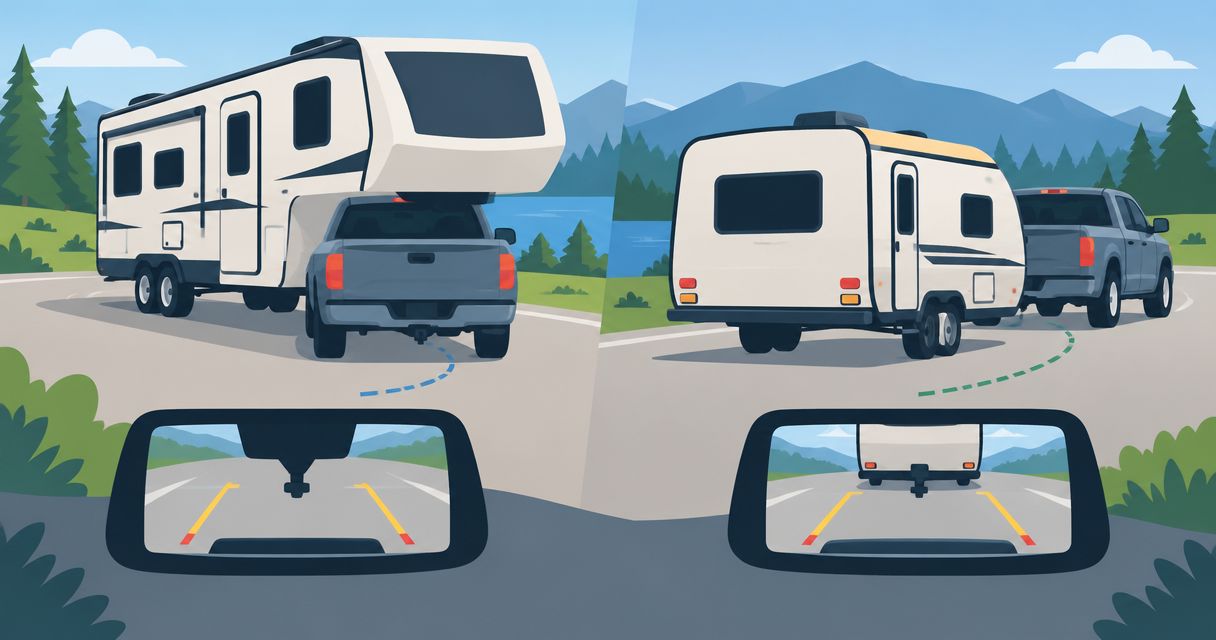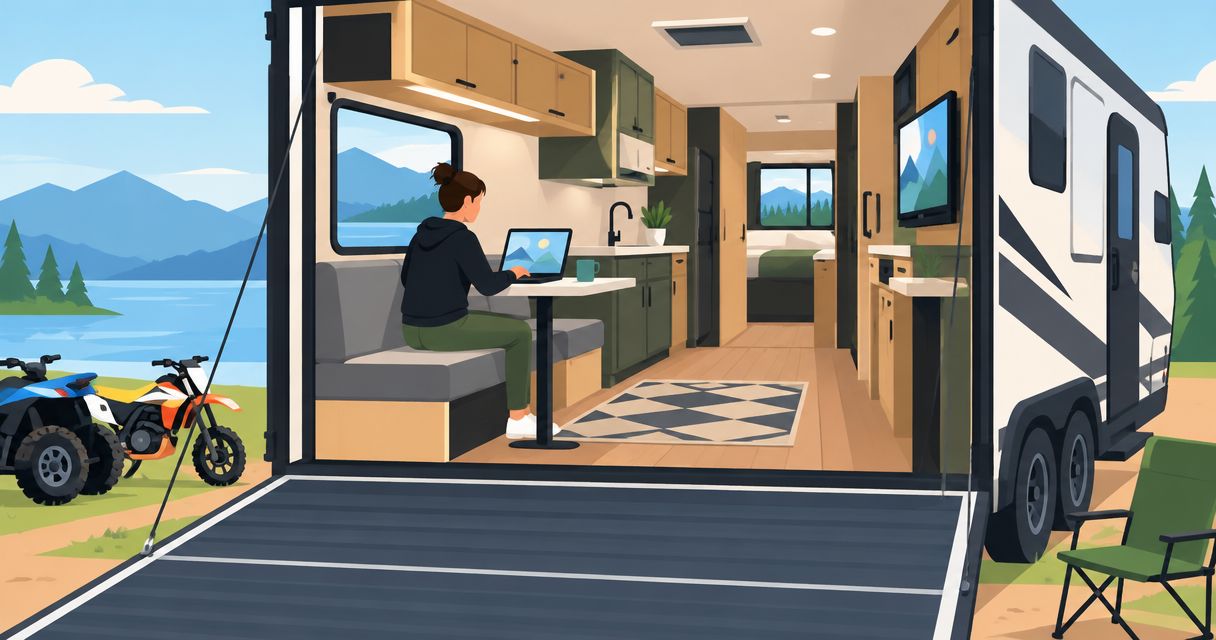

Best overall: a rear-living fifth wheel. Best for frequent cooking: a rear-kitchen floorplan. Best value-focused option: a used couples-oriented fifth wheel that passes an independent inspection. The best fifth wheels for empty nesters in 2026 put everyday comfort, truck compatibility, and manageable ownership ahead of extra sleeping capacity.
- The best fifth wheels for empty nesters start with a rear-living floorplan, verified towing compatibility, and practical storage.
- Choose a rear-kitchen fifth wheel when cooking space matters more than a separate lounge.
- Choose a compact couples fifth wheel for frequent travel, after checking loaded weights and campsite fit.
- Recreation USA serves Myrtle Beach-area buyers comparing new and used fifth wheels for full-time RV living.
Why this matters
Full-time living changes what you need from a fifth wheel. A layout that works for a camping weekend must also handle groceries, laundry, rainy afternoons, medical supplies, and the belongings you stop leaving at home.
Recreation USA is a local, family-owned RV dealership for couples shopping new and used fifth wheels in the Myrtle Beach area. Its two area lots offer financing, trade-ins, parts, and service, with a wholesale-to-you approach and no hidden freight or prep fees.
For your 2026 search, rank floorplan types first, then compare individual units. A useful floorplan in the wrong weight class is still the wrong fifth wheel. Start with your truck and travel plans, not the biggest living room on the lot.
What makes the best fifth wheels for empty nesters?
Use these criteria before choosing a layout. Each one addresses a daily ownership problem rather than a showroom impression.
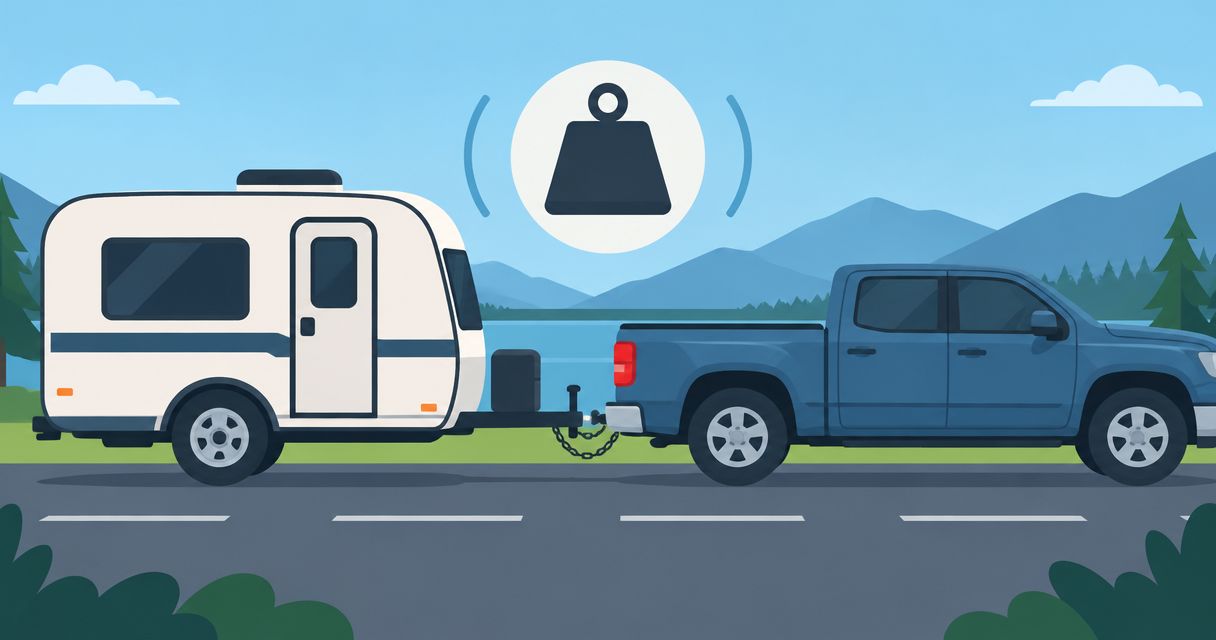
- Truck compatibility: Check the specific truck's payload, towing limits, axle ratings, hitch rating, and loaded trailer requirements. A truck class alone does not establish compatibility.
- Everyday circulation: Walk between the bed, bathroom, refrigerator, seating, and exit. Check access with slides extended and retracted where the manufacturer's instructions permit.
- Couples-first space: Prioritize seating you both use, accessible bedside storage, and room for clothing over permanent beds for occasional visitors.
- Useful storage: Inspect cabinet depth, basement access, and places for bulky belongings. Storage volume does not override cargo-carrying limits.
- Climate and ownership support: Verify the specific unit's heating, cooling, plumbing protection, warranty terms, and any restrictions on full-time use.
- Manageable travel: Match the trailer's measured dimensions to the campgrounds, roads, storage arrangement, and parking space you actually intend to use.
If towing compatibility is unresolved, start with the guide to fifth wheels for three-quarter-ton and one-ton trucks. Verify the exact truck and trailer combination before treating any floorplan as a finalist.
Best empty-nester fifth wheel options at a glance
This 2026 ranking compares layout and purchase choices, not interchangeable model names. A floorplan label tells you where to start; the individual trailer's specifications, condition, and equipment determine whether it belongs on your shortlist.
| Rank and option | Best for | Standout feature to seek | Key limitation |
|---|---|---|---|
| 1. Rear-living fifth wheel | Couples who spend substantial time indoors | Comfortable seating connected to kitchen and dining areas | Furniture and slide placement can restrict travel-day access |
| 2. Rear-kitchen fifth wheel | Couples who cook most meals | A kitchen-focused work area | Rear storage and appliances require careful packing and weight checks |
| 3. Mid-office fifth wheel | Couples working while traveling | A separate room for work | The extra room competes with other living and storage priorities |
| 4. Compact couples fifth wheel | Frequent movers prioritizing campsite fit | A smaller exterior footprint | Reduced room for laundry, clothing, and bulky belongings |
| 5. Used couples-oriented fifth wheel | Buyers prioritizing purchase value | A layout evaluated against actual condition | Repairs and maintenance history can change the ownership decision |
1. Rear-living fifth wheel: best for everyday indoor comfort
A rear-living fifth wheel places the main lounge toward the back of the trailer. For empty nesters, that makes it a strong starting point when relaxing, reading, watching television, and sharing meals matter more than providing permanent guest beds.
Judge the actual furniture arrangement. Sit in both primary seats, check the sightline to the television, and walk through the kitchen while your partner remains seated.
Rear-living fifth wheel pros:
- Gives everyday seating a central role in the floorplan.
- Lets you compare kitchen, dining, and lounge circulation together.
- Provides a clear alternative to choosing a bunkhouse you rarely use.
Rear-living fifth wheel cons:
- Slide placement can block important areas during travel stops.
- Large furniture can reduce useful walking space.
- Rear-living does not establish insulation quality or towing suitability.
Best for: Couples expecting substantial indoor time, including seasonal stays and full-time travel with longer stops.
Ask each other where you would spend a rainy afternoon. If neither seat feels comfortable and the dining arrangement needs constant rearranging, the layout has failed its main job.
Verdict: Buy a rear-living fifth wheel when both adults like the seating and the loaded towing checks pass.
2. Rear-kitchen fifth wheel: best for couples who cook daily
A rear-kitchen fifth wheel puts the kitchen at the back of the trailer. It deserves a close look when preparing meals is part of your daily routine rather than an occasional camping activity.
Compare usable work surfaces, not decorative finishes. Trace the route from refrigerator to sink to cooking area, then find a secure place for the appliances and cookware you actually bring.
Rear-kitchen fifth wheel pros:
- Makes kitchen organization a clear shopping priority.
- Lets you evaluate food preparation separately from lounge seating.
- Can suit couples who prefer cooking to entertaining a large group.
Rear-kitchen fifth wheel cons:
- Heavy kitchen belongings require thoughtful loading and secure storage.
- A kitchen-focused layout does not guarantee comfortable seating.
- Refrigerator or pantry access can depend on slide position.
Best for: Empty nesters who regularly prepare meals and want their kitchen routine to shape the purchase.
During a walkthrough, simulate making breakfast without turning on appliances. Reach for dishes, open cabinet doors, and check whether two adults can pass without stepping around an open drawer.
Verdict: Buy a rear-kitchen fifth wheel when the cooking workflow works and the lounge still meets your needs.
3. Mid-office fifth wheel: best for working while traveling
A mid-office fifth wheel includes a separate interior room that can serve as a workspace. The room's actual furniture, outlets, ventilation, and dimensions determine whether it supports your workday.
Do not mistake an extra room for a finished office. Check desk depth, chair clearance, lighting, and where work equipment stays while the trailer moves.
Mid-office fifth wheel pros:
- Creates physical separation between work and shared living space.
- Keeps work equipment from taking over the dining table.
- Gives working couples a dedicated area to evaluate during shopping.
Mid-office fifth wheel cons:
- The additional room uses space that could serve other priorities.
- An enclosed room does not establish sound isolation.
- A desk does not guarantee reliable internet at your destinations.
Best for: Couples continuing remote work, running a business, or needing a dedicated place for sustained projects.
Check whether the room still works when one person takes a call and the other uses the kitchen or lounge. Internet service, power needs, and campsite connectivity require separate planning.
If work ends before your full-time travel begins, reassess this choice. A room selected for an old routine can become space you tow but rarely use.
Verdict: Buy a mid-office fifth wheel only when a separate workspace solves a recurring need.
4. Compact couples fifth wheel: best for frequent moves
A compact couples fifth wheel prioritizes a smaller footprint over additional rooms. It is the strongest layout category to investigate when your travel plan involves frequent relocation and campgrounds with site-specific size restrictions.
Compact is not a towing specification. Verify exterior dimensions, loaded weight, hitch requirements, and the truck's limits for the exact unit.
Compact couples fifth wheel pros:
- Keeps your search focused on space you use regularly.
- Gives you a smaller-footprint category to compare with planned campsites.
- Encourages deliberate packing before you move out of a house.
Compact couples fifth wheel cons:
- Wardrobe and basement storage require closer scrutiny.
- Laundry equipment can compete with other storage needs.
- A smaller exterior does not guarantee easier interior circulation.
Best for: Couples who expect frequent travel and value campsite fit more than a separate office or guest room.
Bring a written list of belongings that must travel with you. Find a specific storage location for each bulky item instead of assuming it will fit somewhere after purchase.
Check the bedroom with cabinet doors open. A compact layout succeeds when its smaller footprint remains comfortable during ordinary tasks, not just when everything is closed.
Verdict: Buy a compact couples fifth wheel when your belongings fit within its storage and cargo limits.
5. Used couples-oriented fifth wheel: best for value-focused buyers
A used couples-oriented fifth wheel is a purchase strategy rather than a distinct layout. Start with the floorplan that suits your routine, then judge the individual trailer's condition and ownership requirements.
Condition outranks a long equipment list. Arrange an independent inspection and investigate water intrusion, structural concerns, appliance operation, tires, brakes, and maintenance records before committing.
Used couples-oriented fifth wheel pros:
- Lets you prioritize a proven floorplan over a particular model year.
- Gives you an opportunity to evaluate existing equipment directly.
- Keeps the purchase discussion centered on condition and suitability.
Used couples-oriented fifth wheel cons:
- Undocumented maintenance leaves important questions unresolved.
- Repairs can change the value of the purchase.
- Warranty coverage and transferability require individual verification.
Best for: Buyers willing to inspect carefully and compare the whole ownership commitment, including maintenance and towing needs.
Do not accept recently cleaned surfaces as evidence of sound condition. Have the inspection findings explained in plain language, and separate cosmetic concerns from issues affecting safety or continued use.
Verdict: Buy a used couples-oriented fifth wheel only after inspection findings and necessary repairs are understood.
Test the floorplan before choosing it
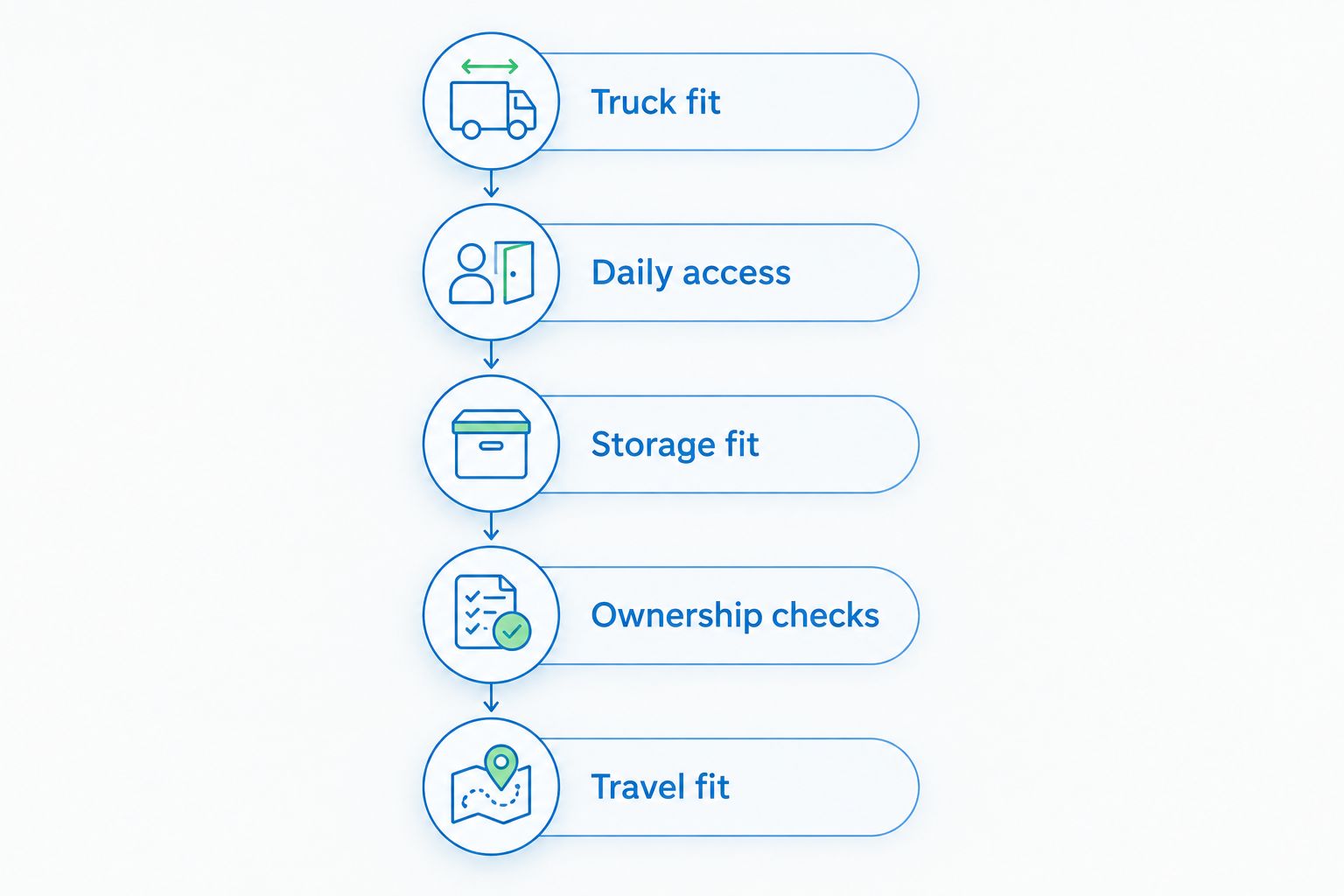
For your 2026 shortlist, use a 15-minute walkthrough devoted to daily living rather than finishes. Have both adults participate, and ask before operating slides or equipment.
- Truck fit: Verify the truck's ratings against the specific trailer's loaded requirements.
- Daily access: Walk the bedroom, bathroom, kitchen, seating area, and exit route.
- Storage fit: Assign places for clothing, cookware, outdoor equipment, and personal essentials.
- Ownership checks: Review condition, service needs, warranty terms, and full-time-use restrictions.
- Travel fit: Compare measured dimensions with your intended campsites and travel routine.
Give each adult 2 tasks: retrieve something from bedroom storage and prepare the seating area for an ordinary evening. Notice blocked doors, awkward reaches, and furniture that must move every time. Those small inconveniences become part of full-time life.
How this ranking works
Rear-living ranks first because shared seating is a useful default for couples without a more specific priority. Rear-kitchen, mid-office, and compact layouts replace that default when cooking, work, or frequent travel drives the decision.
The used option ranks separately because condition changes the purchase decision across every layout. No floorplan name establishes build quality, climate suitability, warranty coverage, or a safe truck match; those require unit-specific checks.
Which fifth wheel should you choose?
Start your 2026 search with a rear-living fifth wheel, then change direction only for a clear daily need. Choose rear-kitchen for cooking, mid-office for ongoing work, or compact couples layouts for a smaller travel footprint. Consider used examples only after condition checks.
Recreation USA offers new and used fifth wheels alongside travel trailers, financing, trade-ins, parts, and service. Call its Myrtle Beach-area lots to discuss your truck, preferred layout, and ownership plans before visiting from Conway, elsewhere in the Carolinas, or nearby states. Financing approval is not guaranteed.
Discuss your fifth wheel needs
Start with your truck, daily routine, and new or used preference.
FAQ
What's the best fifth wheel floorplan for empty nesters?
A rear-living fifth wheel is the best starting point for empty nesters who prioritize shared indoor comfort. Choose another layout when daily cooking, ongoing work, or frequent travel takes priority, and verify the individual unit's specifications.
Is a rear-kitchen fifth wheel better than a rear-living layout?
A rear-kitchen fifth wheel is the better choice when cooking workflow is your main priority. A rear-living layout is the stronger starting point when seating and relaxation matter most; walk through both before deciding.
Can a three-quarter-ton truck tow a fifth wheel for full-time living?
Compatibility depends on the specific truck and fifth wheel, not the truck class alone. Check payload, axle ratings, towing limits, hitch rating, and the trailer's loaded requirements against the manufacturer's guidance.
Should empty nesters buy a new or used fifth wheel?
Choose between new and used fifth wheels by comparing suitability, condition, warranty terms, and ownership commitments. A used trailer needs an independent inspection, while a new trailer still needs specification and delivery checks.
Do full-time RV buyers need a washer and dryer?
A washer and dryer are optional, not a requirement for full-time RV living. Compare your laundry routine with the exact unit's equipment, hookups, storage trade-offs, and intended campsite utilities.
Does a fifth wheel advertised for extended stays allow full-time living?
An extended-stay description does not establish full-time warranty coverage. Read the specific manufacturer's terms and confirm any restrictions before buying for full-time use.
What should I ask Recreation USA before visiting in 2026?
Ask Recreation USA which fifth wheel layouts to discuss based on your truck, travel plans, and new or used preference. Also ask about trade-ins, financing requirements, service needs, and arranging a detailed walkthrough.
One last thing
Test the fifth wheel in travel mode before committing. With permission and according to the manufacturer's instructions, check what you can reach with the slides retracted: a comfortable parked layout can still complicate a roadside stop.
For your 2026 purchase, choose the trailer that works when packed for departure, not just when opened for display. That final check connects the showroom decision to the life you plan to live.