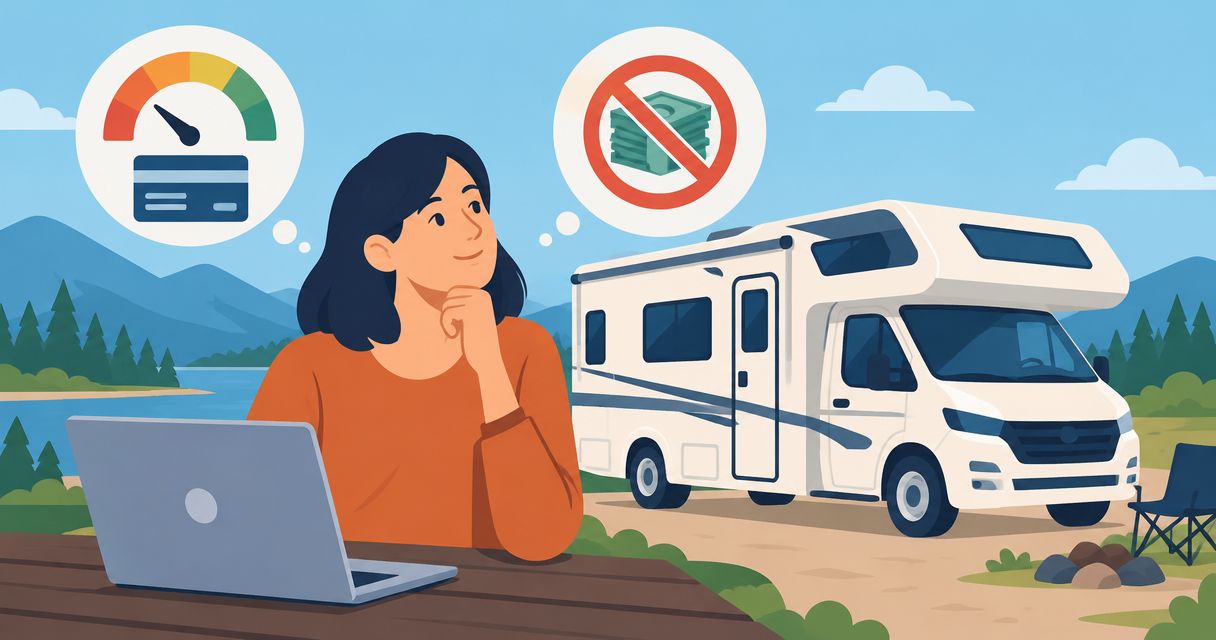
You can apply for RV financing with bad credit and no down payment, but approval depends on the lender, your finances, and the RV—not the advertisement. No down payment does not necessarily mean no cash due at signing, so request written terms that separate the down payment from taxes, registration, and other charges before committing in 2026.
- Bad credit RV financing no down payment requires lender approval; an advertisement is not an approval.
- Recreation USA offers RV financing; ask about lender requirements before choosing a travel trailer or fifth wheel.
- Positive trade-in equity can reduce borrowing, while negative equity adds an existing debt problem to the next purchase.
- Compare APR, loan term, total payments, and cash due—not just the monthly payment.
Can I finance an RV with bad credit and no down payment?
Yes, it is possible, but neither bad-credit financing nor a no-down-payment offer guarantees that you qualify for both together. A lender must approve the application and the specific RV. An initial conversation about eligibility is not the same as a final loan agreement.
Start with Recreation USA, a family-owned dealership with two Myrtle Beach-area lots that offers new and used RVs and financing. Ask whether a lender will consider your credit situation without a cash down payment before you spend time choosing a floorplan.
Different ways of reducing cash upfront have different consequences. Treat them as separate options rather than interchangeable promises.
| Approach | Best for | Main benefit | Main limitation |
|---|---|---|---|
| No cash down payment | Buyers whose lender approves the full required borrowing | Preserves cash upfront | Does not automatically eliminate other cash due or make ownership affordable |
| Positive trade-in equity | Buyers whose RV is worth more than its loan payoff | Applies existing value toward the next purchase | Depends on the actual trade allowance and payoff |
| Cash down payment | Buyers who can contribute without exhausting reserves | Reduces the amount borrowed | Uses savings needed for other obligations |
| Wait and prepare | Buyers whose current terms strain the household budget | Creates time to address credit or save | Delays the purchase; future approval remains conditional |
A written offer is the decision point. Before that, you are discussing possibilities—not securing a loan.
Why this matters
A no-down-payment loan solves an upfront cash question. It does not answer whether you can afford the camper, tow it safely, insure it, or maintain it. For a first-time buyer, those separate decisions can get lost behind a manageable-looking payment.
In 2026, keep three questions separate: Can you qualify, what must you pay before delivery, and can you carry the ongoing expense? A satisfactory answer to one does not settle the others.
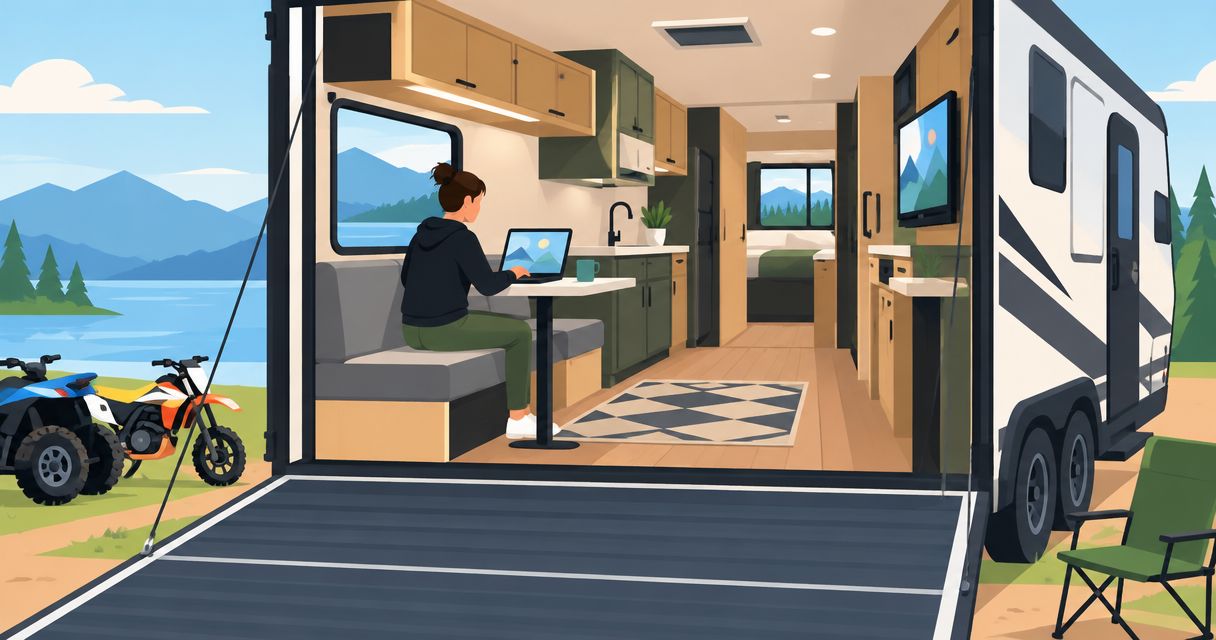
The same discipline applies whether you want a used travel trailer for Carolina weekends, a fifth wheel for seasonal stays, or an RV for full-time living. Start with your household budget and intended use, then look for a floorplan that fits both.
What does no down payment actually mean?
A down payment is your contribution toward the purchase rather than money supplied by the loan. A 0% down payment describes that contribution; it does not describe the interest rate. It also does not establish whether taxes, registration, or other charges must be paid separately.
Ask for an itemized buyer's order and a financing breakdown. The paperwork should make clear which amounts are financed, which are paid upfront, and whether any trade-in value is being counted toward the transaction.
Use these questions before accepting the phrase no money down:
- Is there a required cash down payment?
- What is the total cash due before delivery?
- Which taxes and charges are included in the loan?
- Does the structure depend on a trade-in?
- Are optional products included, and what happens if you decline them?
A purchase with no cash down payment can still involve equity from an existing camper. That is a different situation from buying without cash or trade equity, so describe your circumstances accurately when asking about eligibility.
Why bad-credit RV financing approval varies
Lenders evaluate more than the label bad credit. There is no single approval rule that applies to every lender, applicant, and RV, so ask about the requirements attached to your actual application.
These factors explain why an advertised financing possibility is not a personal commitment:
- Credit history: Late payments, collections, and other credit events form part of the application review. Explain inaccuracies separately from accurate negative information.
- Income and obligations: A lender considers repayment ability, not just whether you receive income. Existing debts matter alongside the proposed RV payment.
- Amount financed: Borrowing less changes the transaction. A smaller loan request does not guarantee approval, but it is different from asking to finance a larger purchase.
- RV eligibility: Ask whether the lender accepts the specific new or used RV, including its age and intended use. Do not assume approval transfers between units.
- Trade-in position: Positive equity can reduce borrowing. Negative equity creates an additional balance that must be addressed.
- Documentation: Income records, identification, and other requested documents must support the application. An incomplete application is not a final lending decision.
For a 2026 application, request the lender's current documentation checklist rather than relying on an old advertisement or someone else's approval story.
How do I prepare before applying?
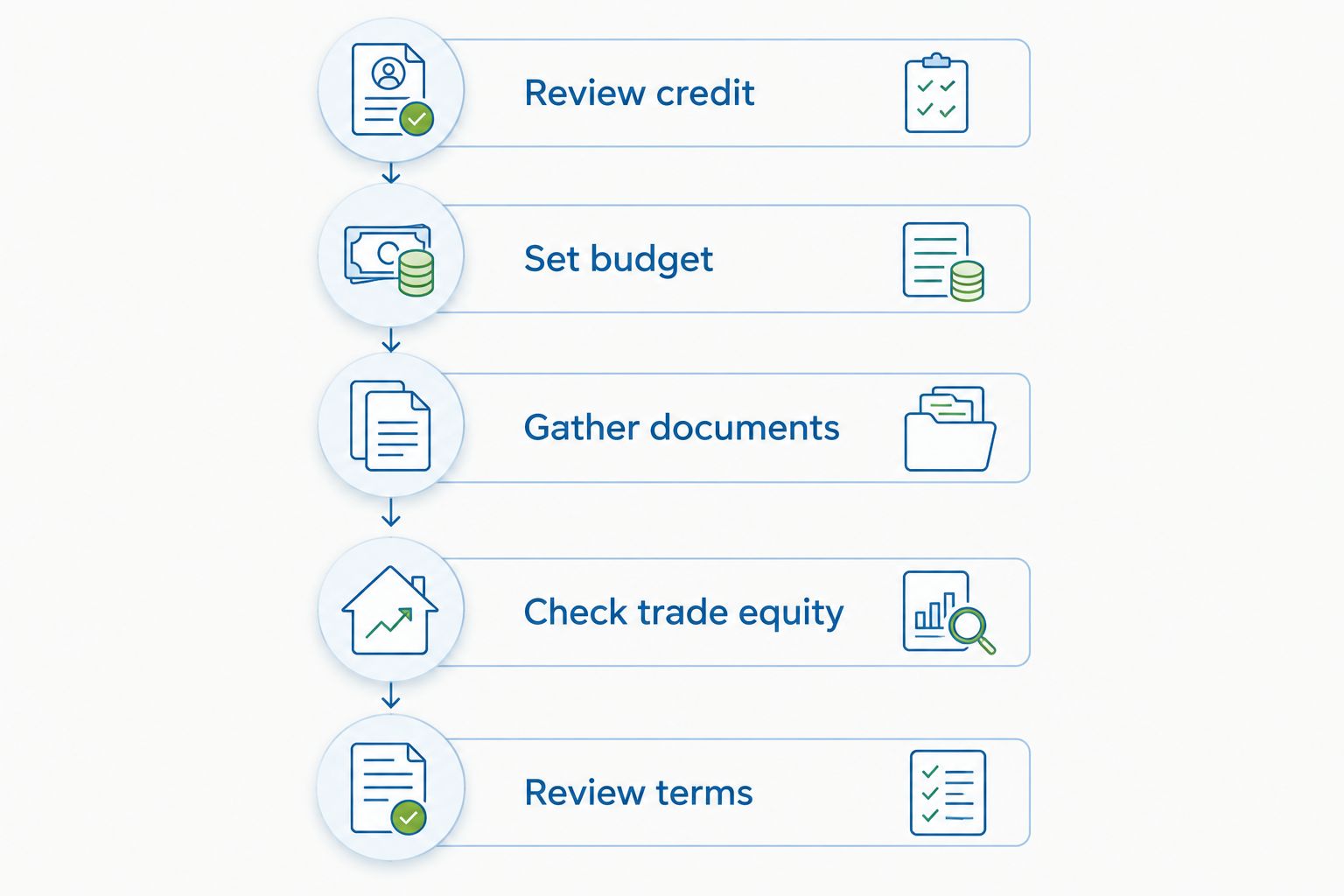
A short preparation process helps you ask better questions and avoid choosing an RV around an unconfirmed payment. Complete these steps before making a purchase commitment.
- Review credit. Check your credit reports and dispute errors through the appropriate reporting process. Know which negative entries are accurate so you can explain your situation without guessing.
- Set budget. Work out what remains after housing, food, transportation, existing debt, and savings needs. The amount left over is not automatically your RV payment budget because ownership adds other expenses.
- Gather documents. Ask what proof of income and identification the application requires. If your income varies, explain how you earn it and provide the records requested.
- Check trade equity. Get the current payoff from your lender and compare it with the proposed trade allowance. Do not use your remaining payment count as a substitute for a payoff statement.
- Review terms. Compare the approved loan, itemized purchase paperwork, and total cash due. Resolve differences before signing.
Ask whether checking eligibility involves a soft inquiry or a hard credit inquiry before authorizing it. Also ask whether the discussion is a preliminary estimate, a conditional approval, or a final approval tied to a particular RV.
Can a trade-in replace a cash down payment?
Positive trade-in equity can contribute toward the purchase, subject to the transaction and lender's requirements. Equity is the trade allowance minus the outstanding payoff—not the original purchase amount and not the total you have already paid.
A trade-in with a loan balance is not automatically a problem; a trade allowance below the payoff is the issue. That shortfall is negative equity. Ask how it will be paid and whether the proposed financing includes it.
Keep the trade allowance, payoff, replacement RV amount, and financing terms visible as separate entries. Combining everything into one monthly payment makes it harder to understand what happened to the existing debt.
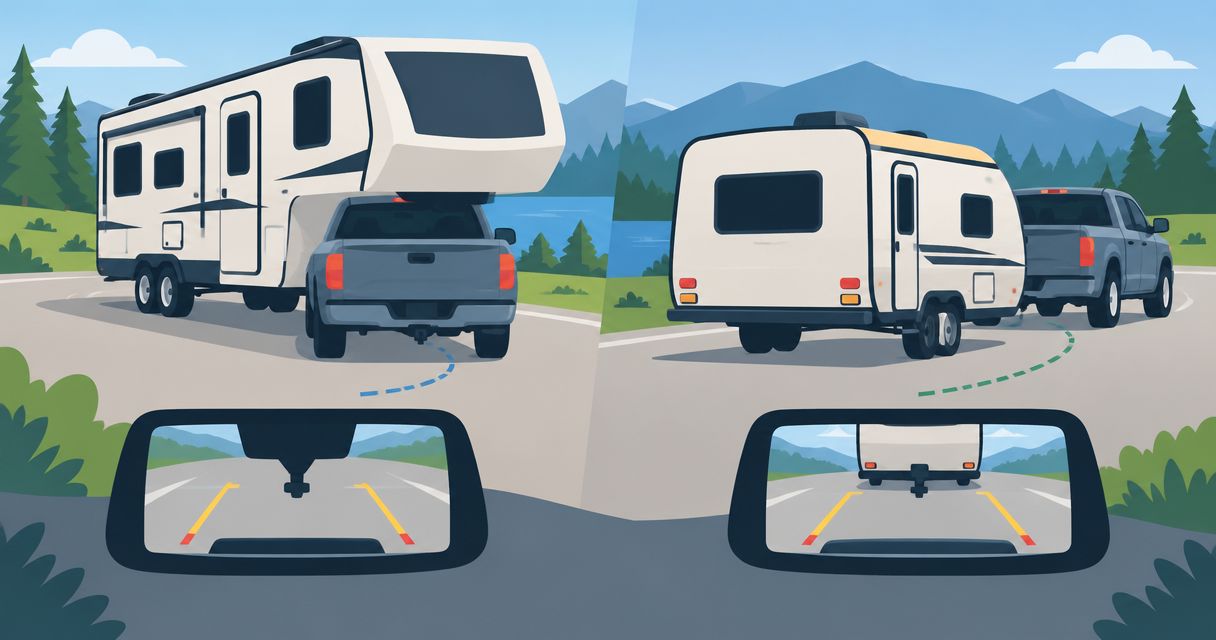
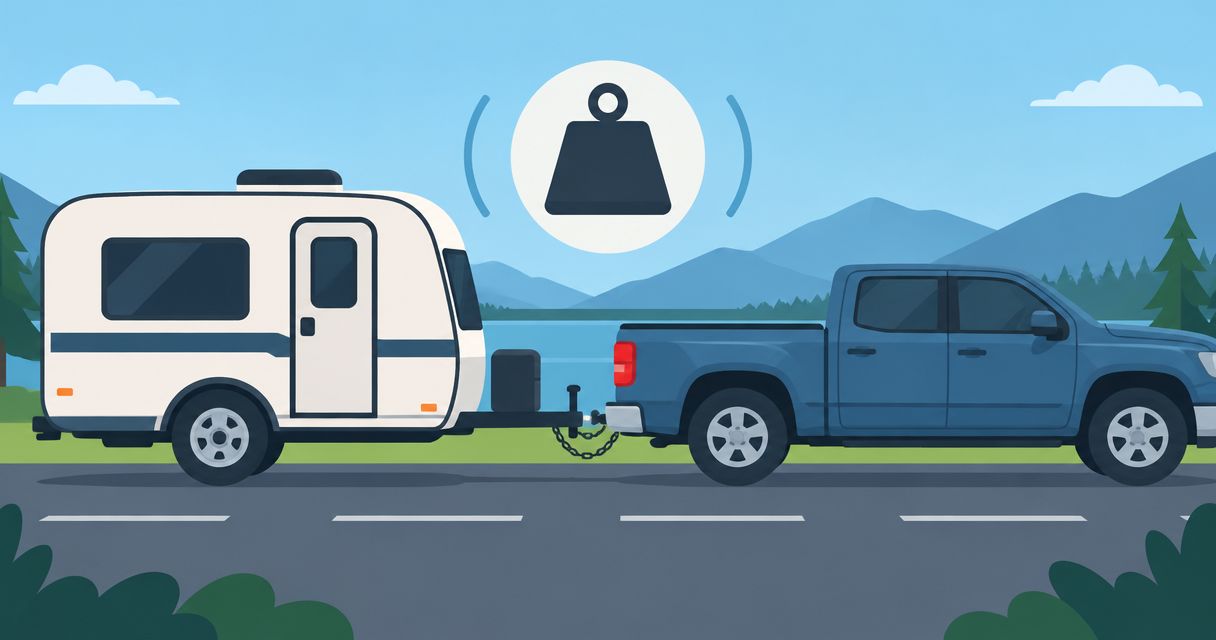
If you are trading a travel trailer for a fifth wheel, evaluate the towing setup separately too. Solving the loan application does not establish that your truck, hitch, and loaded combination are suitable.
How should I compare RV loan offers?
Compare written offers for the same purchase structure whenever possible. A payment based on a different RV, a different contribution, or a different loan term is not a clean comparison.
For each offer, identify these items:
- APR: The annual percentage rate helps you compare borrowing costs, including interest and certain finance charges.
- Loan term: Check how long the repayment obligation lasts, not just when the first payment is due.
- Amount financed: Confirm what you are borrowing and which items are included.
- Total of payments: Review the scheduled repayment total instead of judging the loan by its monthly payment alone.
- Cash due: Get a written amount and an explanation of what it covers.
- Contract conditions: Read late-payment terms, any prepayment penalty, and requirements that apply before funding.
For the same amount borrowed at the same interest rate, a longer repayment term generally lowers the payment while increasing total interest. The lower payment is a benefit, but the longer debt obligation is the trade-off.
For your 2026 comparison, also request a version without optional products. Decide whether each product serves a need before agreeing to finance it; adding something to a loan does not remove its cost.
What should I budget beyond the RV payment?
Build an ownership budget before deciding that a no-down-payment structure works. Insurance, storage or campsite expenses, maintenance, fuel, and towing equipment remain separate from the lender's approval decision.
Map recurring expenses across 12 months, including periods when you will not camp. A seasonal owner can still have loan, insurance, and storage obligations while the trailer is parked. A full-time owner needs a budget that reflects actual campsite and travel plans rather than vacation assumptions.
For a used RV, arrange an inspection appropriate to the unit and ask about its condition and service history. For either new or used, confirm what equipment is included and what you need before towing or camping.
Do not use every available dollar simply to make the transaction happen. A workable purchase leaves room for ownership, not just delivery day. If the payment only fits when you ignore maintenance or other household obligations, change the purchase plan.
When should I wait instead of financing now?
Wait when the required cash would leave you unable to meet essential expenses, the payment depends on income you cannot document, or the offer remains unclear after you ask for written terms. Waiting is a practical choice, not a failed application strategy.
Other reasons to pause include unresolved credit-report errors, an uncertain trade payoff, and a towing setup that does not match the intended trailer. Address the specific obstacle rather than submitting applications without a plan.
A smaller travel trailer or a different floorplan is another direction to discuss, but changing RVs does not guarantee better financing. Compare the complete transaction and the suitability of the camper—not just the promise of a lower payment.
Who should I call near Myrtle Beach?
Recreation USA is best for RV buyers seeking a family-owned dealership relationship in the Myrtle Beach area. The dealership offers financing, trade-ins, parts, and service, with new and used travel trailers and fifth wheels among its RV categories.
Recreation USA emphasizes wholesale-to-you pricing and no hidden freight or prep fees. That does not remove lender requirements or replace an itemized purchase agreement; ask for both the purchase breakdown and the financing conditions.
Call the Myrtle Beach-area lots before traveling from Conway, elsewhere in the Carolinas, or a nearby state. Explain your credit situation, whether you have a trade-in, your intended use, and whether you need no cash down or no cash due at all.
Discuss your RV financing questions
Ask about application requirements, trade-in equity, and cash due before visiting the Myrtle Beach-area lots.
FAQ
Can I get bad credit RV financing with no down payment in 2026?
You can apply for bad credit RV financing with no down payment in 2026, but approval depends on the lender and your application. Ask for written terms tied to the specific RV before treating an offer as approved.
Does zero down mean I pay nothing at signing?
Zero down does not necessarily mean nothing is due at signing. Ask whether taxes, registration, and other charges are financed or paid separately.
What credit score do I need for an RV loan?
There is no single credit-score requirement for every RV loan. Ask the lender about its requirements and whether checking eligibility involves a hard credit inquiry.
Can my camper trade-in count toward the down payment?
Positive camper trade-in equity can contribute toward a purchase, subject to the lender's requirements. Compare the trade allowance with the current loan payoff to establish whether equity exists.
Is a longer RV loan better if I have bad credit?
A longer RV loan is not automatically better because the monthly payment is lower. Compare APR, total payments, and the length of the obligation alongside your ownership budget.
Can I finance an RV for full-time living?
Ask the lender whether the proposed RV loan permits your intended full-time use. Disclose that use during the application and confirm insurance requirements separately.
Should I apply before choosing a travel trailer or fifth wheel?
Discuss eligibility and budget before committing to a travel trailer or fifth wheel. Final approval can still depend on the specific RV and completed documentation.
One last thing
Ask this before signing: What must change between this conversation and final approval? The answer should identify outstanding documents, conditions, and cash requirements—not simply repeat a monthly payment.
For a 2026 purchase, carry that written list into the final paperwork review. No down payment is useful only when the full agreement and the ongoing ownership budget work for you.