Yes, you can trade in an RV that still has a loan on it, provided the existing lender is paid and the lien is released as part of the transaction. If your trade-in value is below the lender’s payoff amount, you must cover the difference yourself or obtain approval to include that debt in replacement financing.
- To trade in RV with loan balance in 2026, compare a current lender payoff with a written trade-in offer.
- Positive equity can support your next purchase; negative equity remains debt you must address.
- Recreationusa offers RV trade-ins and financing for Myrtle Beach-area buyers; approval depends on the lender.
- Keep paying your existing loan until the lender confirms payoff or gives you different instructions.
Can I trade in an RV that still has a loan on it?
An outstanding RV loan does not automatically prevent a trade-in. The transaction must account for the lender’s payoff, the RV’s agreed trade-in value, and any difference between them.
The process applies whether you are replacing a travel trailer, moving into a fifth wheel, or downsizing from a motorhome. At Recreationusa, a family-owned dealership with two Myrtle Beach-area lots, trade-ins and financing are part of the services offered to RV buyers.
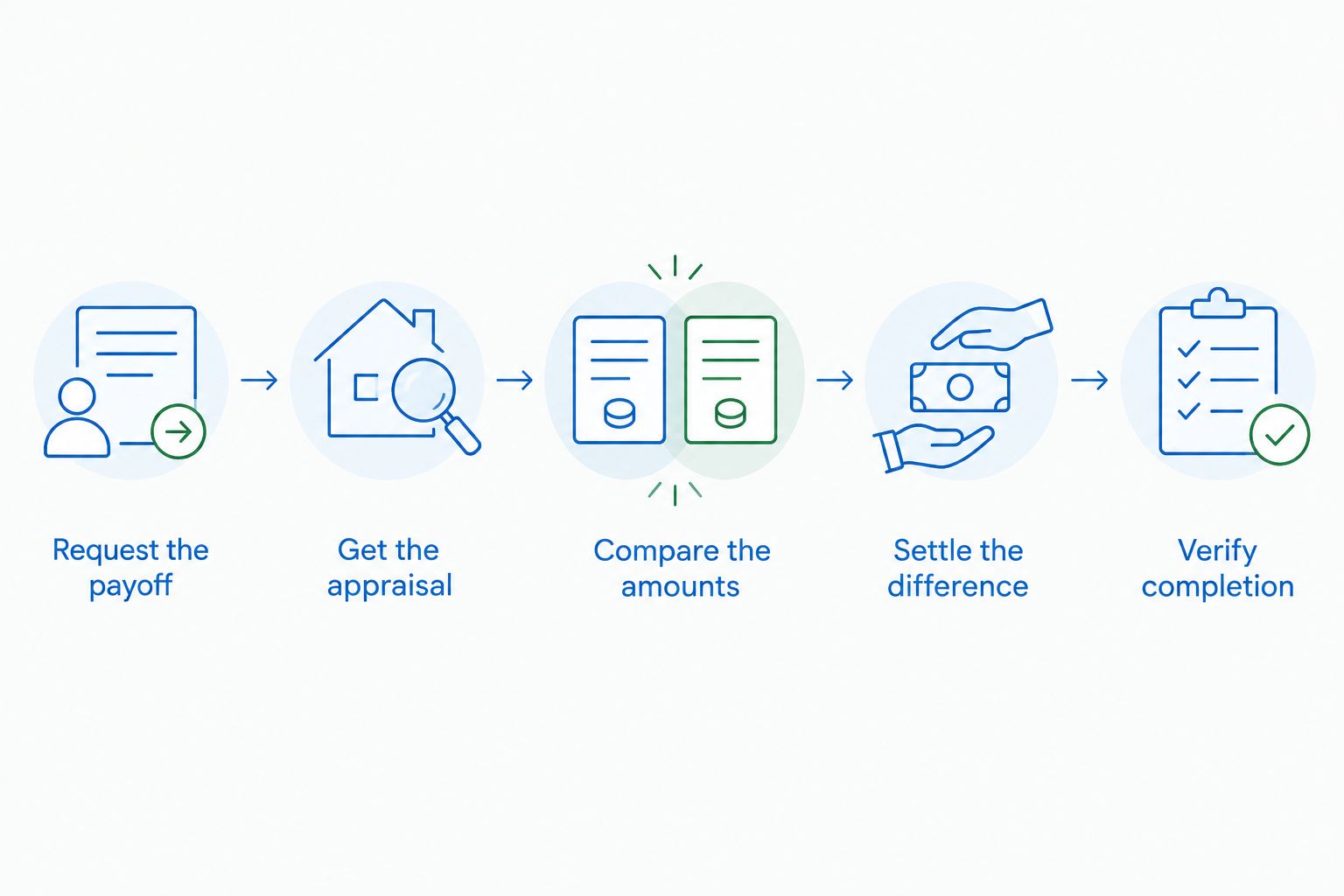
Start with this sequence:
- Request the payoff. Get a payoff quote directly from your current lender, including its expiration date and payment instructions.
- Get the appraisal. Obtain a written trade-in offer based on your RV’s identity and condition.
- Compare the amounts. Subtract the payoff from the trade-in offer to establish positive equity, no equity, or negative equity.
- Settle the difference. Decide how any shortfall will be handled before signing replacement financing.
- Verify completion. Confirm that the old lender received payment and that the lien-release process is underway.
Why this matters before you choose another camper
Your trade-in allowance is not necessarily your down payment. Part of that allowance must first satisfy the debt secured by your current RV.
For a 2026 purchase, keep the replacement RV’s selling terms separate from the old loan settlement. A monthly payment alone does not show whether you are financing debt from the camper you are leaving behind.
Agree on the equity calculation before choosing a payment plan. That gives you a clearer basis for comparing new and used travel trailers or fifth wheels without confusing a larger trade allowance with a better overall deal.
What happens when your RV has positive, zero, or negative equity?
Your equity position determines what the trade contributes to the next transaction. Use the lender’s current payoff—not an older statement balance—for this comparison.
| Equity position | What it means | Main advantage | Main limitation | Best for |
|---|---|---|---|---|
| Positive equity | Trade-in value exceeds the loan payoff | Remaining equity can support the replacement purchase | The final appraisal and payoff must both be confirmed | Buyers applying existing RV equity to another camper |
| Zero equity | Trade-in value equals the loan payoff | The trade can settle the existing loan | The trade provides no remaining equity toward the next purchase | Buyers prepared to fund the next purchase separately |
| Negative equity | Loan payoff exceeds the trade-in value | A trade remains possible if the shortfall is resolved | The unpaid difference does not disappear | Buyers with a clear plan to cover the shortfall |
Positive equity: apply the remainder deliberately
When your RV’s trade-in value exceeds its payoff, the difference is your equity. Ask the dealer to show separately how much goes to the existing lender and how much is credited toward the replacement purchase.
Positive equity helps, but it does not establish whether the replacement loan suits your budget. Review the amount financed, loan term, annual percentage rate, and total of payments before agreeing.
Zero equity: the trade clears debt, not the next down payment
When the offer and payoff match, the trade settles the current loan without leaving equity for another RV. You still need to address the replacement lender’s requirements and other amounts due at signing.
This distinction matters if you expected the camper itself to cover a down payment. Ask for a written transaction breakdown rather than relying on the phrase “your trade pays off your loan.”
Negative equity: choose how to handle the shortfall
Negative equity remains your responsibility even when a dealer handles the payoff. Paying the shortfall separately avoids adding that old debt to the replacement loan, but it uses cash you might need for other obligations.
Including the shortfall in replacement financing requires lender approval and increases the amount borrowed compared with the same purchase without that debt. Keeping your current RV is another option when the proposed replacement transaction does not fit your budget.
Why your RV payoff and trade-in outcome vary
An RV loan trade-in depends on more than the camper’s floorplan or age. These factors explain why the initial conversation and final paperwork must use matching information:
- Payoff timing: A payoff quote is tied to its stated validity period; interest or account activity can change the amount due.
- RV condition: Water damage, appliance problems, tire condition, and other repair needs affect an appraisal.
- Exact RV identity: The model, floorplan, equipment, and vehicle identification number help establish what is being appraised.
- Existing loan terms: Your contract determines applicable payoff conditions, including any prepayment provision.
- Replacement financing: Credit, income, existing obligations, and lender requirements affect approval and borrowing terms.
- Transaction timing: Payment processing and lien-release procedures affect when the old loan and title records are updated.
For your 2026 trade, get the appraisal and payoff close enough together that you are comparing current information. If either changes before signing, request an updated equity calculation.
What should you bring for an RV trade-in appraisal?
Bring enough information to identify the RV, verify ownership, and request an accurate payoff. Ask the dealership what it needs before driving from Conway, elsewhere in the Carolinas, or a nearby state.
A useful preparation list includes:
- Your lender’s name, account details, and current payoff quote.
- Registration and any title documents in your possession.
- Identification and information about any co-owner or co-borrower.
- The RV’s vehicle identification number and exact model information.
- Maintenance records and a clear description of known defects.
- Keys and access needed to inspect storage areas and equipment.
Do not assume an online account balance is the final payoff. Ask the lender whether the quote includes everything needed to satisfy the loan through the stated date, and whether it requires authorization before discussing the account with a dealer.
Disclose known water intrusion or equipment failures before treating an appraisal as final. A transaction based on an incomplete condition description can change after inspection.
How do you compare replacement financing fairly?
Start with the transaction breakdown, then review the loan. The amount financed should make sense after accounting for the replacement purchase, trade allowance, existing payoff, cash contribution, and any financed charges or products.
For a 2026 financing comparison, put these items side by side:
- Amount financed: How much principal will the new loan contain?
- Annual percentage rate: What is the disclosed borrowing rate, including applicable finance charges?
- Loan term: How long will you remain obligated to make payments?
- Total of payments: What does the payment schedule add up to over the term?
- Cash due: What must you provide when the transaction closes?
- Optional products: Which items are optional, and which have been included in the proposed loan?
A longer term can reduce the scheduled payment while extending the time you owe money. Do not accept a payment-focused explanation in place of the full loan disclosures.
For the relationship between trade credit and replacement borrowing, read how RV trade-in value applies to new camper financing. Keep the existing payoff visible throughout that comparison.
Is it better to trade now or keep your current RV?
Trade when the replacement meets a real need and the complete transaction fits your budget. Keep the current RV when addressing negative equity or accepting the replacement loan would strain your finances.
For a seasonal camper, the decision might center on a more suitable floorplan. For a full-time traveler, towing compatibility, storage, and daily usability deserve attention before a financing application.
Recreationusa is best for RV shoppers who want a family-owned, local dealership in the Myrtle Beach area. The dealership offers wholesale-to-you pricing and states that it has no hidden freight or prep fees; those terms do not remove an existing loan balance or replace lender approval.
Call the Myrtle Beach-area lots before bringing your trade. Ask what payoff information and ownership documents to prepare, and explain whether you are considering a new or used travel trailer or fifth wheel.
Plan your RV trade-in
Review dealership information, then call about payoff documents and your replacement camper needs.
Who pays off the old RV loan after a trade-in?
When the dealer agrees to handle payoff, the purchase documents should identify the existing lender, the payoff amount, and how the transaction addresses any shortfall. Read that agreement before surrendering the RV.
Do not treat delivery of the replacement camper as proof that the old account has closed. Follow up with the existing lender, retain the payoff confirmation, and ask how the lien release will be documented.
Keep scheduled payments current until your lender confirms payoff or provides different instructions. If a payment is due while the transaction is processing, contact the lender rather than assuming the trade-in suspends your obligation.
Can you trade an RV with negative equity without adding debt?
You can avoid carrying the shortfall into the replacement loan by paying it separately. That clears the old debt without financing it again, but it reduces the cash you retain.
Waiting is another choice, not a promise that your equity position will improve. Loan principal and RV value both change, so repeat the payoff-and-appraisal comparison before making a later decision.
FAQ
Can I trade in my RV if I still owe money on it?
Yes, you can trade in an RV with an outstanding loan if the existing payoff and lien are addressed in the transaction. Compare a current lender payoff with a written trade-in offer before agreeing to replacement financing.
What happens if I owe more on my RV than the dealer offers?
You have negative equity and must resolve the difference between the payoff and trade-in offer. You can pay it separately or request lender approval to include it in replacement financing.
Will the dealership pay off my existing RV loan?
A dealership can handle the existing payoff when that arrangement is included in the transaction. Confirm the written terms and verify directly with your lender that payment was received.
Is my RV loan balance the same as my payoff amount?
Your statement balance is not necessarily the amount needed to pay off the loan. Request a lender payoff quote with its validity date and instructions before calculating trade equity.
Can I stop making RV payments after signing trade-in paperwork?
Keep making required payments until your lender confirms payoff or gives you different instructions. Signing trade-in paperwork alone does not confirm that the existing loan is satisfied.
Can I trade a financed travel trailer for a fifth wheel?
Yes, a financed travel trailer can be traded toward a fifth wheel if the old loan is settled and the replacement transaction is approved. Confirm your tow vehicle’s suitability separately from financing.
Does Recreationusa offer trade-ins and RV financing?
Recreationusa offers RV trade-ins and financing through its Myrtle Beach-area dealership operations. Contact the lots about your existing loan and replacement plans; financing approval is not guaranteed.
One last thing
Ask for proof that the old loan is paid, not just confirmation that the RV was traded. Those are different milestones, and keeping the paperwork connects the transaction you signed with the account your lender maintains.
For your 2026 trade-in file, retain the signed agreement, payoff quote, payment confirmation, and lien-release correspondence. That record is more useful than a verbal assurance if an account or title question comes up later.